
Training Guides
Training
Guides
Build more considered training sessions with practical guidance for strength, conditioning, mobility, Pilates and functional movement. Start with control, choose equipment with purpose and progress at a pace that fits your ability.
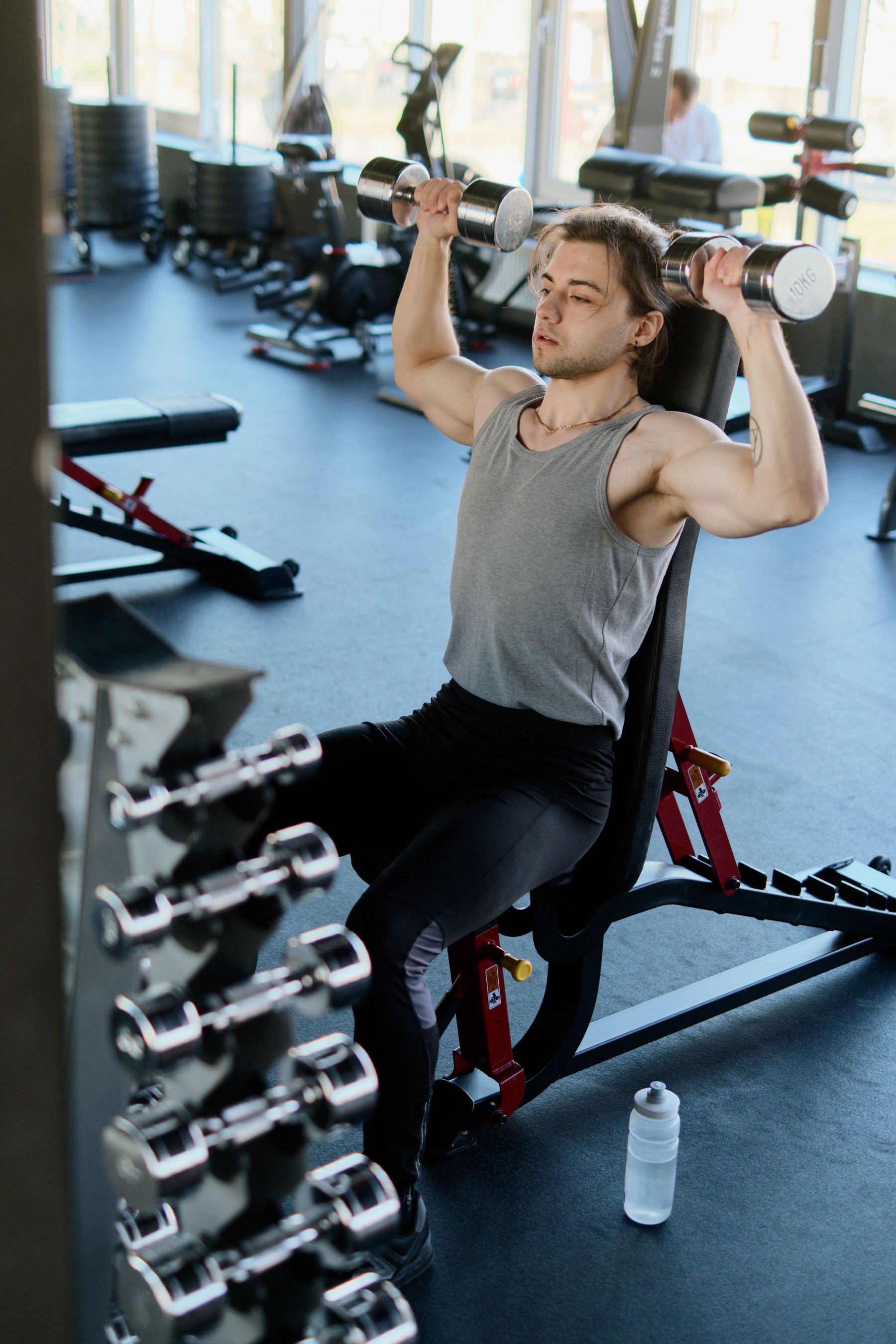
Start with movement quality before adding more.
A useful training plan does not need to be complicated. Begin with movements you can control, select resistance that allows consistent technique and build your workload gradually as your movement becomes more confident.
Set the intention
Decide what the session is for before choosing exercises: strength, conditioning, mobility, control or recovery-focused movement.
Choose your range
Work through a range of motion you can manage with stable, deliberate movement instead of forcing a position.
Control the resistance
Select equipment and resistance that allow you to maintain balance, posture and consistent movement from start to finish.
Progress gradually
Increase resistance, volume or complexity progressively rather than changing every training variable at the same time.
Train around the movement you want to develop.
Use each training focus as a framework rather than a rigid routine. The equipment, resistance and session length can be adjusted around your experience, available space and training priorities.
Strength & Resistance
Build sessions around controlled pushing, pulling, squatting, hinging and loaded carrying movements using resistance that supports consistent technique.
Cardio & Power
Combine repeatable movement, manageable work periods and deliberate recovery to create conditioning sessions that remain focused and sustainable.
Core & Functional Movement
Use stable positions, controlled transitions and purposeful resistance to develop coordinated movement through the trunk, shoulders and hips.
Pilates & Mobility
Prioritize controlled movement, alignment and useful range of motion. Pilates and mobility sessions can complement strength and conditioning work throughout the week.
Build strength around repeatable movement.
Resistance training becomes easier to structure when each session has a clear purpose. Choose a small group of movement patterns, organize them logically and use resistance you can control.
Prepare the movement
Begin with lighter, controlled repetitions to establish the range and position you plan to use.
Use manageable resistance
Select resistance that lets you maintain consistent form across the complete set.
Keep the session focused
A few purposeful movements performed well can be more useful than adding unnecessary exercise variety.
Record what matters
Note the exercise, resistance and work completed so future sessions can progress with more context.
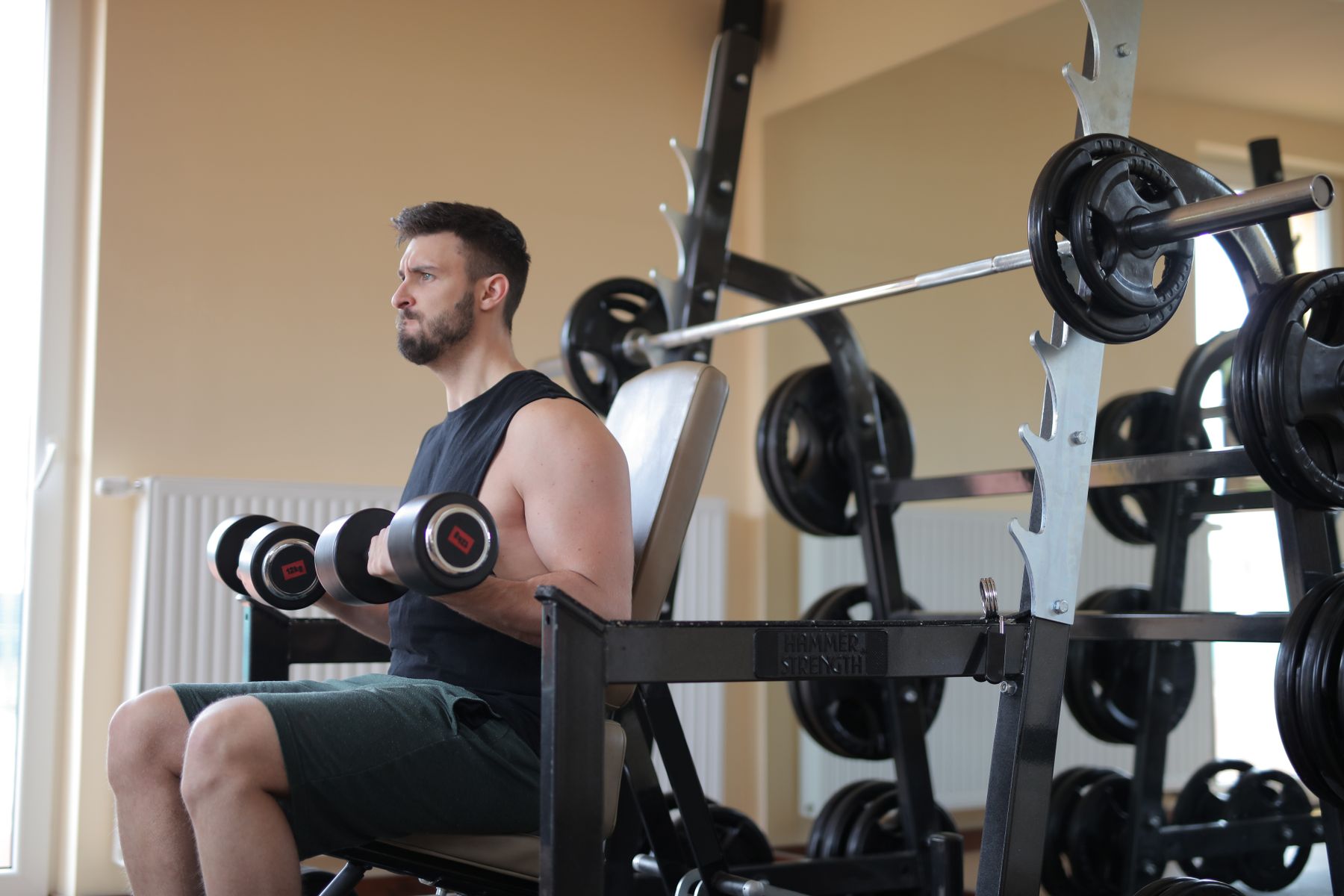
A simple way to structure a session.
The exact exercises can change, but a consistent framework can make training easier to plan. Adjust duration, resistance and movement selection around your current ability and objective.
Prepare
Start with easy movement and gradually introduce the positions and ranges you intend to use during the session.
Primary work
Place the movements most closely connected to your main training goal earlier while your attention and energy are highest.
Supporting work
Add complementary exercises for control, balance, conditioning or smaller movement patterns without overwhelming the session.
Reset
Finish at a lower intensity and make a brief note of what you completed before planning the next session.
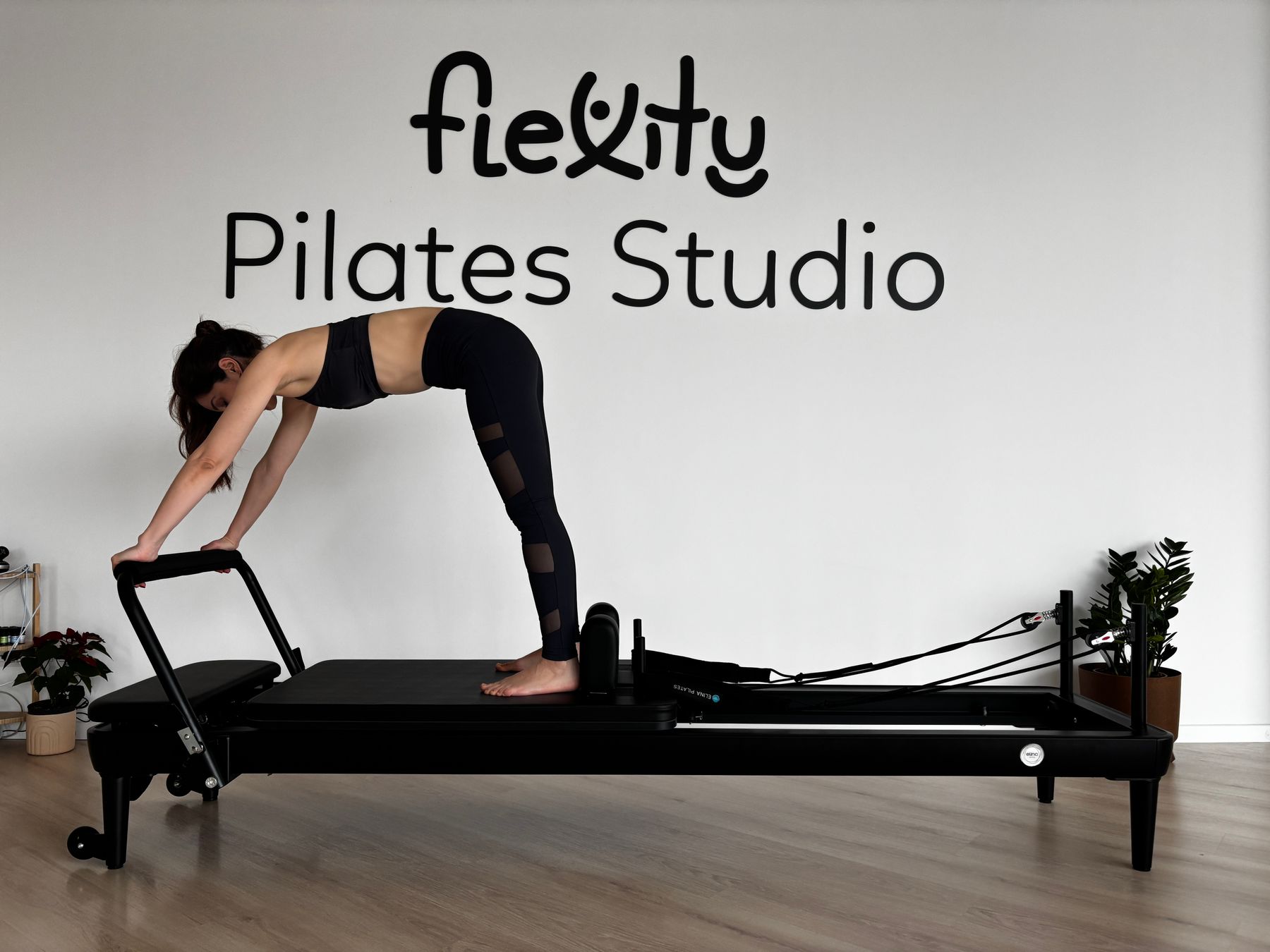
Control first. Range follows.
Pilates and mobility training can be approached with the same principle as strength work: move deliberately, maintain a stable position and develop range progressively rather than forcing it.
Keep the fundamentals visible.
Equipment can expand what you can train, but the quality of the session still depends on how you use it.
Consistency over novelty
Repeat useful movement patterns long enough to understand how they feel and how your control changes before constantly replacing them.
Progress with context
Progress does not only mean adding weight. Improved control, smoother repetitions, useful range and better consistency can all guide the next step.
Make space for recovery
Balance demanding sessions with easier movement and appropriate recovery so each workout does not need to compete with the last.
Train power without losing control.
Kettlebells and functional training equipment can support dynamic sessions, but speed should not replace movement quality. Keep each repetition organized and use work periods you can repeat with consistent technique.
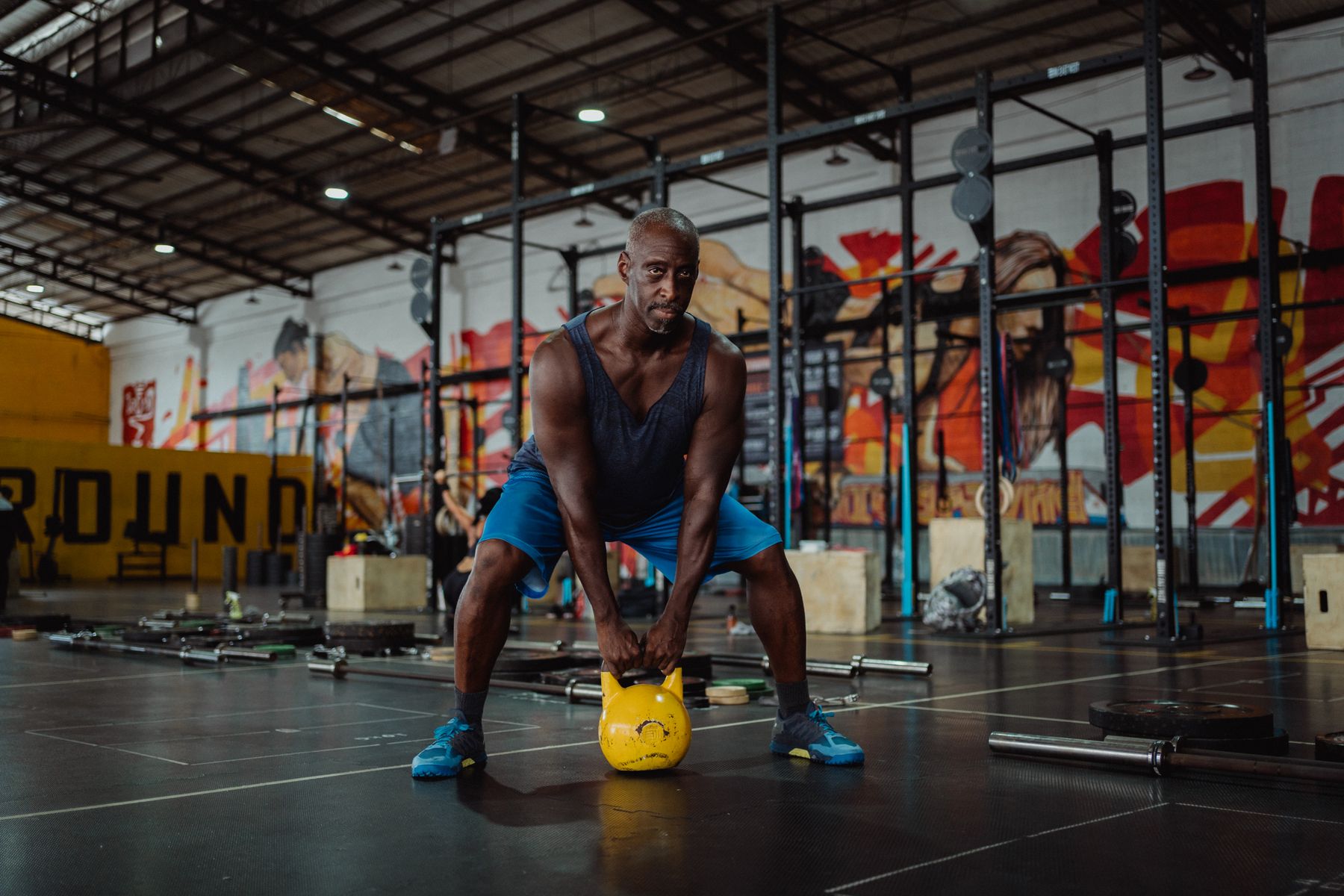
Before you add intensity.
Training should remain appropriate for your experience and current ability. Equipment should be used according to its instructions and within a stable, suitable training space.
Check your equipment
Confirm that equipment is assembled, positioned and secured as intended before beginning your session.
Keep your area clear
Leave enough space around the equipment for the movement you plan to perform without unnecessary obstacles.
Use appropriate resistance
Choose a level you can control through the intended movement instead of sacrificing technique for additional resistance.
Respond to discomfort
Stop a movement if it causes unexpected pain or feels unsafe. Seek appropriate professional guidance when needed.
Choose equipment around the way you train.
Explore Corevia equipment for strength, conditioning, Pilates, functional movement and recovery, and build a training space around the movements that matter to you.
Explore Equipment