
Pilates Guides
Pilates
Guides
Explore a more considered approach to Pilates through controlled movement, alignment, breathing and purposeful resistance. Use these guides to structure reformer, mat, core and mobility-focused sessions around the way you move.
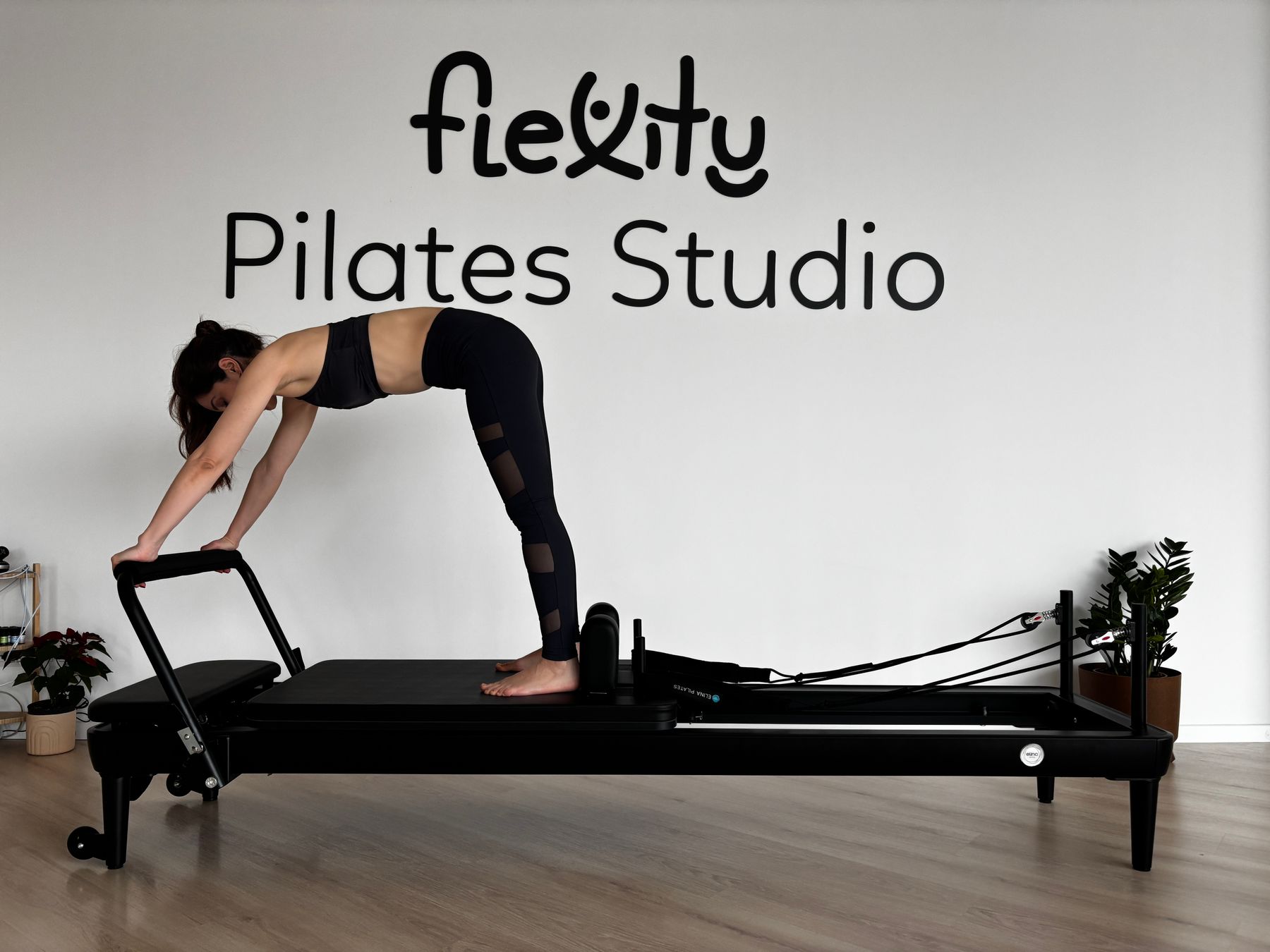
Build the movement before adding more resistance.
Pilates is easier to progress when the fundamentals stay visible. Begin with a range you can control, establish a stable position and let breathing, tempo and resistance support the movement rather than compete with it.
Set your position
Establish a comfortable, stable starting position before changing resistance, range or movement speed.
Control the range
Work through a range you can manage without forcing the joints or losing the intended alignment.
Use deliberate tempo
Slow, repeatable movement makes it easier to notice positioning, balance and changes in resistance.
Progress gradually
Add range, resistance or complexity one variable at a time as the movement becomes more consistent.
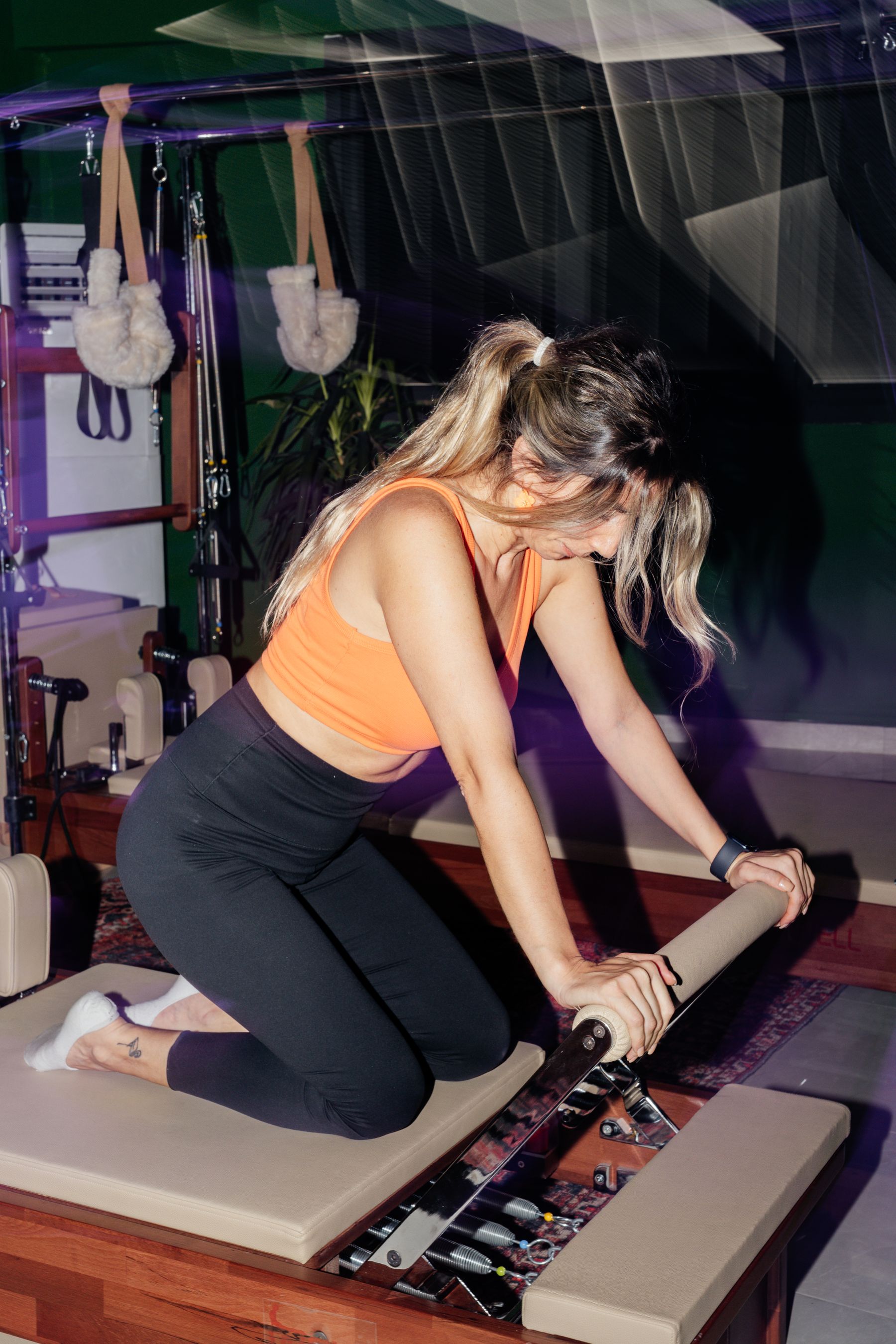
Let the reformer support the movement.
Reformer training combines a moving platform, springs and attachments to create adjustable resistance. Start by learning how the carriage responds and choose settings that allow smooth, controlled movement.
Understand the setup
Confirm that springs, straps, footbar and carriage settings are appropriate before starting the exercise.
Keep the carriage controlled
Aim for smooth travel in both directions instead of letting momentum determine the movement.
Match resistance to the exercise
More spring tension is not always better. Select resistance that supports the intended movement and your ability.
Return with the same control
Treat the return phase as part of the exercise rather than simply resetting for the next repetition.
Organize your Pilates practice around movement quality.
Exercises can change from one session to the next, but the movement priorities remain useful across reformer, mat and accessory-based training.
Stable positioning
Begin with the body organized around a position you can maintain. Stability creates a clearer base for movement through the arms, legs and trunk.
Useful range
Move through a range that remains comfortable and controlled. Increased range is most useful when the position remains organized from beginning to end.
Trunk control
Use the trunk to organize movement rather than simply creating tension. Keep breathing natural and avoid turning every exercise into a maximal brace.
Connected movement
As control improves, link movements together without rushing the transitions. Smooth sequencing can make a session feel continuous without making it fast.
Control first. Range follows.
Pilates works best when range and resistance remain connected to movement quality. Build confidence in the position first, then gradually increase the challenge without losing control.
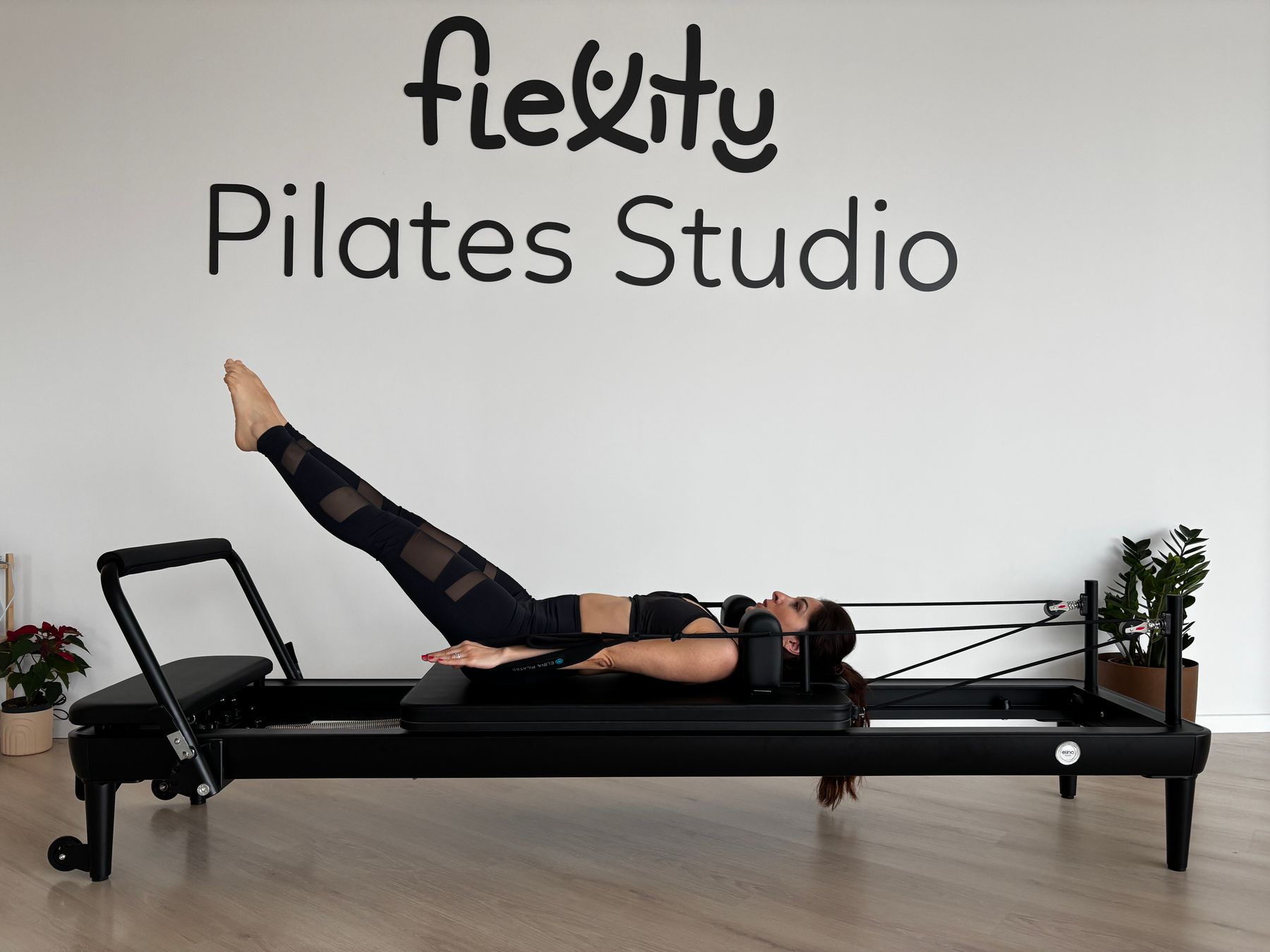
A simple Pilates session framework.
Session structure does not need to be complicated. Keep the objective clear, build from simpler positions and finish with movement you can still perform with control.
Prepare
Begin with comfortable breathing, light movement and positions that help establish the range you intend to use.
Organize
Use foundational movements to reinforce alignment, trunk control and consistent movement before increasing complexity.
Progress
Add resistance, range or coordination gradually while keeping the movement deliberate and repeatable.
Reset
Finish with lower-intensity mobility and let the final movements settle rather than rushing the end of the session.
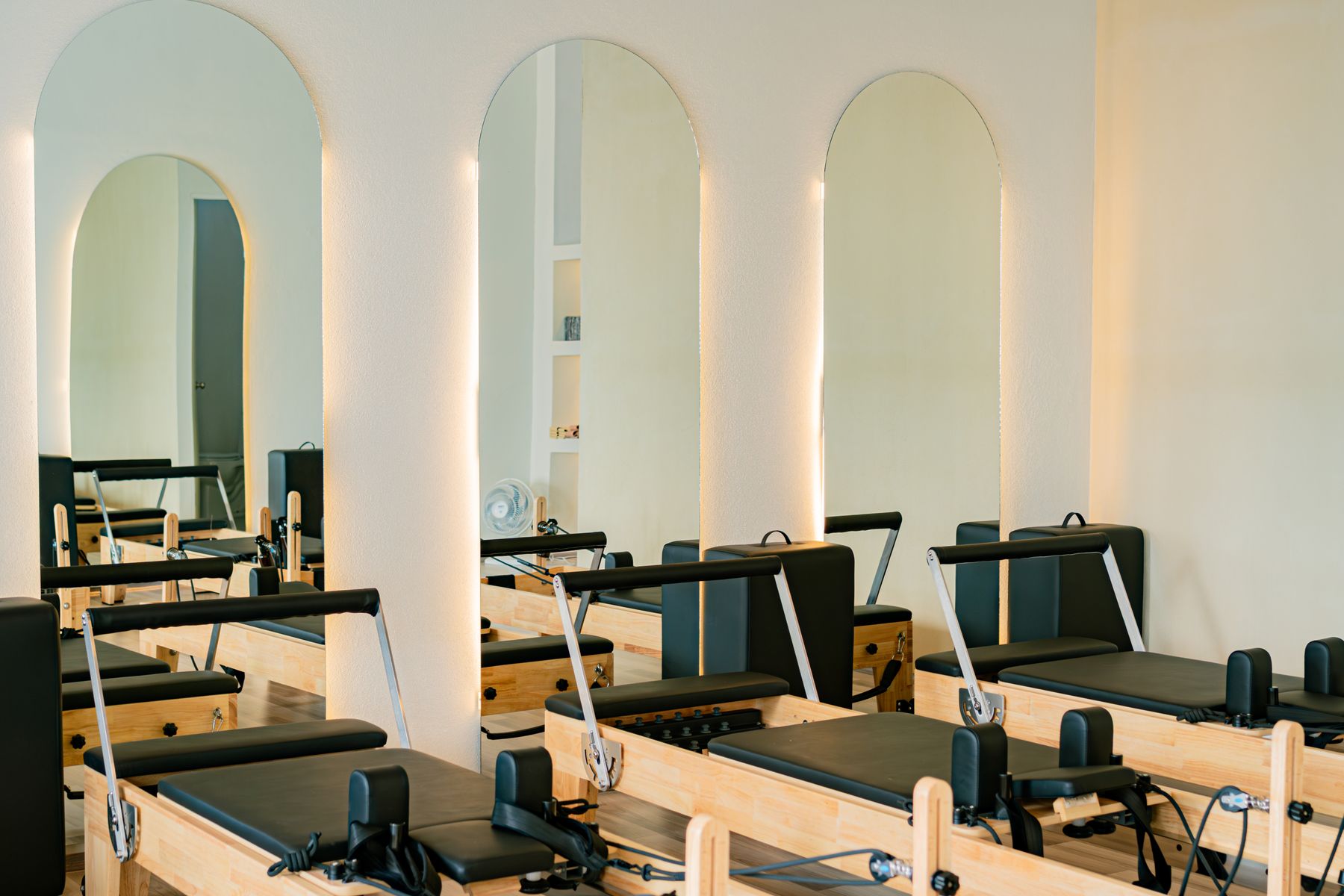
Build a considered Pilates training space.
A focused Pilates setup starts with enough room to move safely and equipment that supports the type of training you plan to perform. Keep the space organized, accessible and centered around purposeful movement.
Choose equipment around the movement you need.
Different Pilates tools support different types of training. Select equipment for its function instead of adding accessories simply for variety.
Pilates Reformer
Supports adjustable resistance, controlled carriage movement and a broad range of strength, mobility and coordination exercises.
Pilates Mat
Creates a supportive training surface for floor-based Pilates, core work, mobility exercises and controlled transitions.
Training Accessories
Pilates rings, resistance bands and balance tools can provide feedback, support or additional resistance when used with purpose.
Leave room for easier movement.
Not every Pilates session needs to become more demanding. Lower intensity work can help keep weekly training balanced and manageable.
Use lighter resistance and simpler movement when a lower-demand session is more appropriate.
Work through comfortable ranges instead of forcing deeper positions that are difficult to manage.
Keep breathing natural and steady while maintaining control of the movement and position.
Alternate more demanding training with easier movement according to your current workload and recovery.
Pilates, made clearer.
Use these answers as general training guidance and adjust your equipment and movement choices around your own experience.
Do I need a reformer to practice Pilates?
No. Pilates can include reformer training, mat-based movement and accessory work. The most appropriate setup depends on the type of movement and training experience you want.
How much resistance should I use on a reformer?
Use resistance that allows you to maintain smooth, controlled movement. The suitable setting can change depending on the exercise, equipment design and your current ability.
Should Pilates movements always be slow?
They do not need to be extremely slow, but the movement should remain deliberate and controlled. Speed should not make it difficult to maintain alignment or manage resistance.
Can Pilates be combined with strength training?
Pilates, strength training and conditioning can be included in the same overall routine. How they are organized depends on your priorities, experience and recovery between sessions.
What should I do if a movement feels uncomfortable?
Stop or reduce the movement if it causes unexpected pain or feels unsafe. Adjust the range or resistance and seek appropriate professional guidance when needed.
Train with equipment that supports controlled movement.
Explore Corevia Pilates, balance, core and mobility equipment and build a training space around strength, control and consistent movement.
Explore Equipment