
Equipment Buying Guides
Choose equipment
with purpose.
Start with how you want to train, the space you have and the level of resistance or movement support you need. This guide helps you compare practical equipment choices for strength, conditioning, Pilates, functional training and recovery.
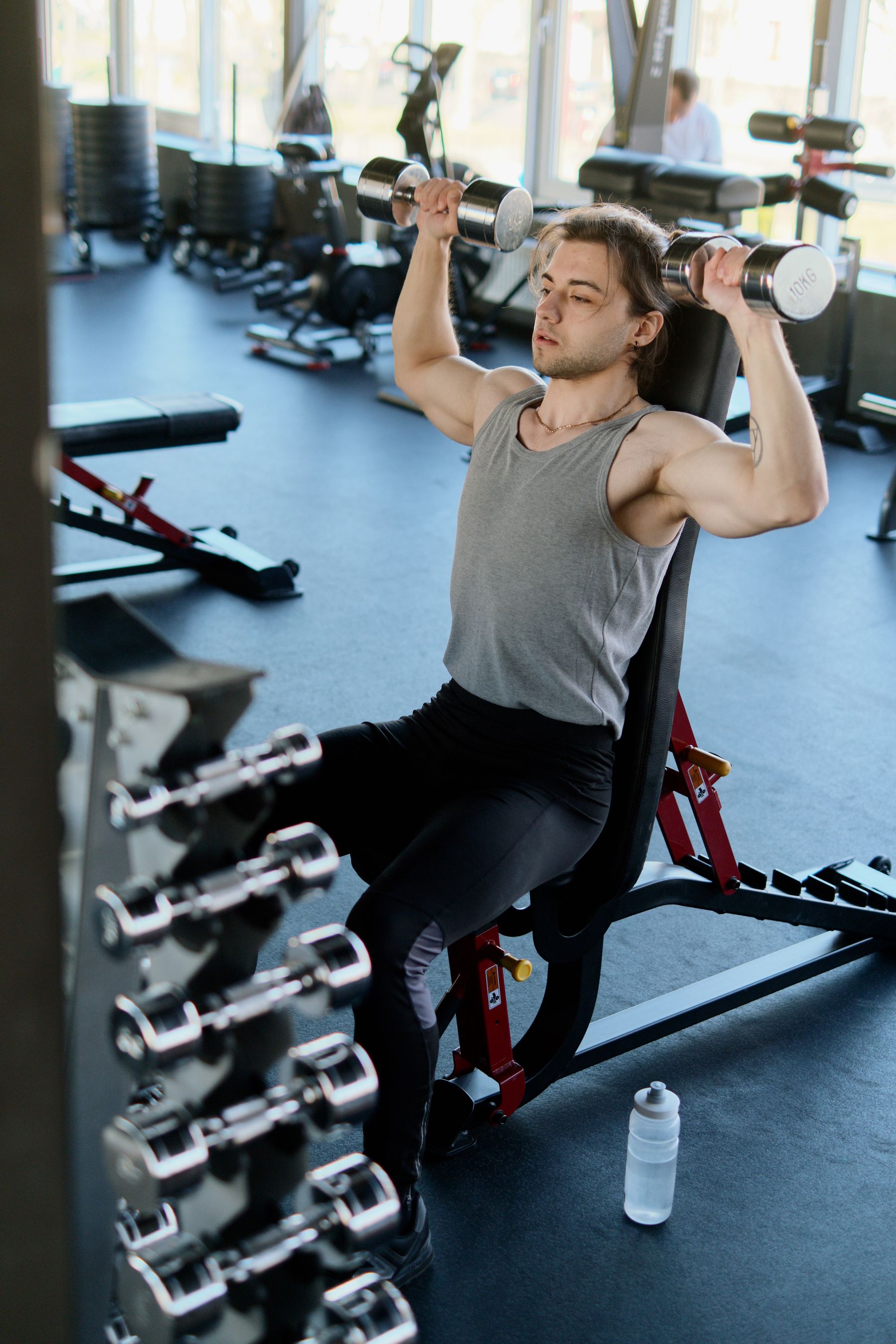 Strength equipment · Real training space
Let the way you train guide the equipment you choose.
Equipment is most useful when it supports a clear training purpose. Begin by identifying the type of movement you want to practice most often, then choose equipment that fits your space and routine.
Build Strength
Look for adjustable or progressive resistance that supports squats, presses, rows, hinges and other repeatable strength movements.
STRENGTH · 01Improve Conditioning
Prioritize compact equipment that supports rhythm, repeat effort, agility and movement-based conditioning.
CARDIO · 02Train Core Control
Choose equipment that adds stability, leverage or controlled resistance without making the movement unnecessarily complex.
CORE · 03Improve Mobility
Consider mats, bands and mobility accessories that support controlled range of motion and lower-intensity movement work.
MOBILITY · 04Build a Home Setup
Prioritize equipment that offers multiple training uses while remaining practical to store, move and use consistently.
HOME GYM · 05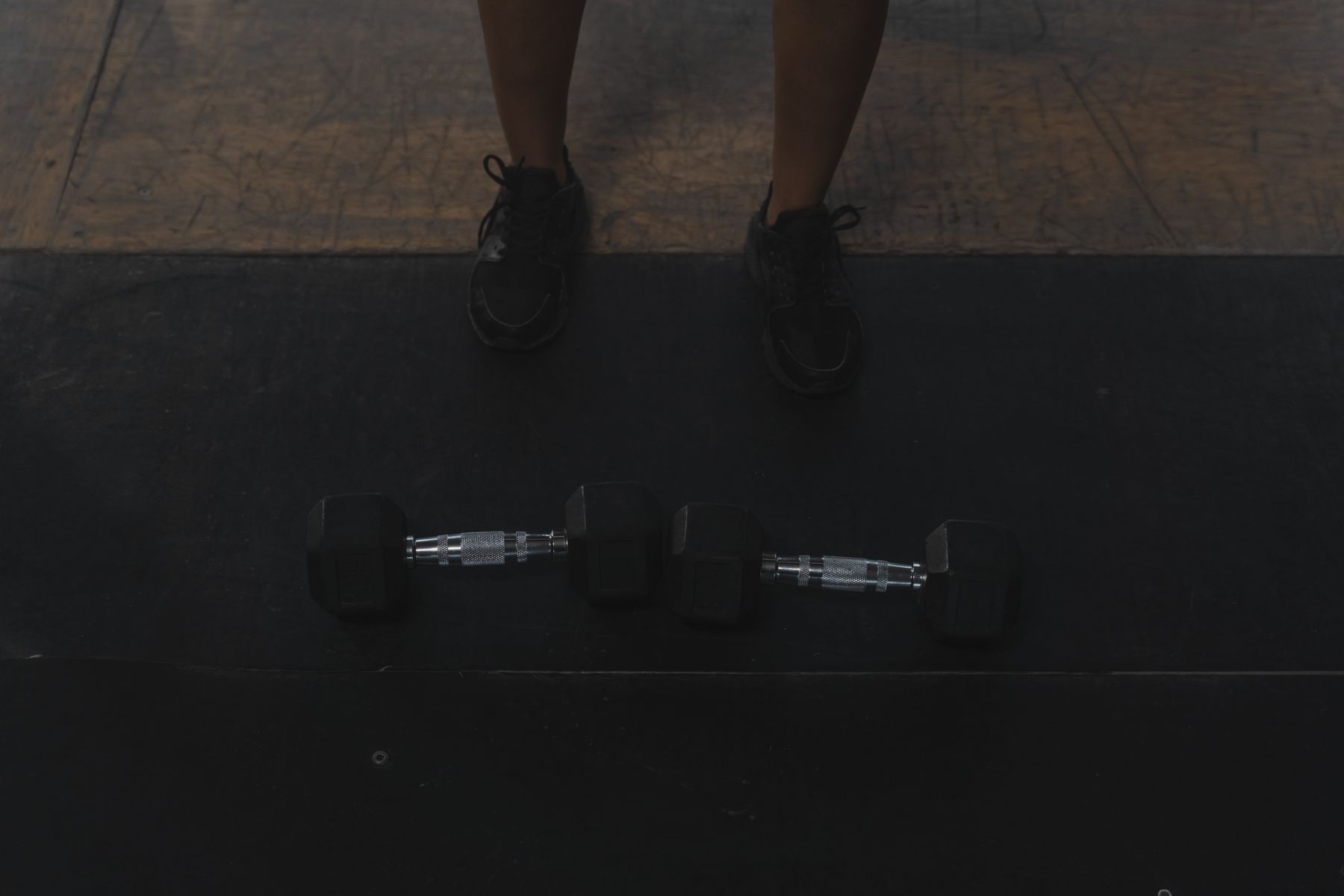 Equipment selection · Strength training
Compare function before features.
More features do not automatically make a piece of equipment more useful. Start with how often you expect to use it, what movement it supports and whether it fits naturally into your training space.
Training use
Choose equipment that directly supports the exercises you expect to perform.
Resistance range
Select a resistance level or adjustment range that matches your current training.
Space & storage
Measure the training area and consider where the equipment will live between sessions.
Versatility
For compact spaces, prioritize equipment that can support several movement patterns.
What to look for by training category.
Different types of equipment solve different training needs. Use these category-level considerations to narrow your options before comparing specific equipment.
Dumbbells, kettlebells and weights
A strong choice for repeatable resistance training across lower body, upper body and full-body movements.
- Choose a manageable starting resistance.
- Consider adjustable options for progression.
- Check grip comfort and available storage.
Bands & expanders
Compact resistance tools work well for accessory training, mobility work and portable home sessions.
- Compare resistance levels or band sets.
- Choose handles or loops that suit the movement.
- Store away from unnecessary heat or sharp edges.
Jump ropes & agility tools
Useful for rhythm, footwork, coordination and compact conditioning sessions.
- Check available floor and overhead space.
- Choose equipment suited to your training surface.
- Prioritize simple setup and repeat use.
Mats, accessories & reformers
Select equipment around movement control, stability, available space and the style of Pilates or mobility work you practice.
- Check equipment footprint before purchase.
- Consider storage and movement around the setup.
- Match accessories to the exercises you use most.
Suspension, core & bodyweight equipment
These tools can expand bodyweight training by changing leverage, stability and available movement options.
- Confirm the equipment fits your training area.
- Choose adjustable setups when versatility matters.
- Keep movement control as the main priority.
Mobility and recovery equipment
Recovery tools are most useful when they fit naturally into your regular training and post-session routine.
- Choose a tool for a specific recovery use.
- Prioritize practical size and easy storage.
- Keep use controlled and comfortable.
Choose resistance you can actually use consistently.
The right strength equipment is not simply the heaviest option. Think about the movements you perform, your current training range and whether the equipment gives you room to progress over time.
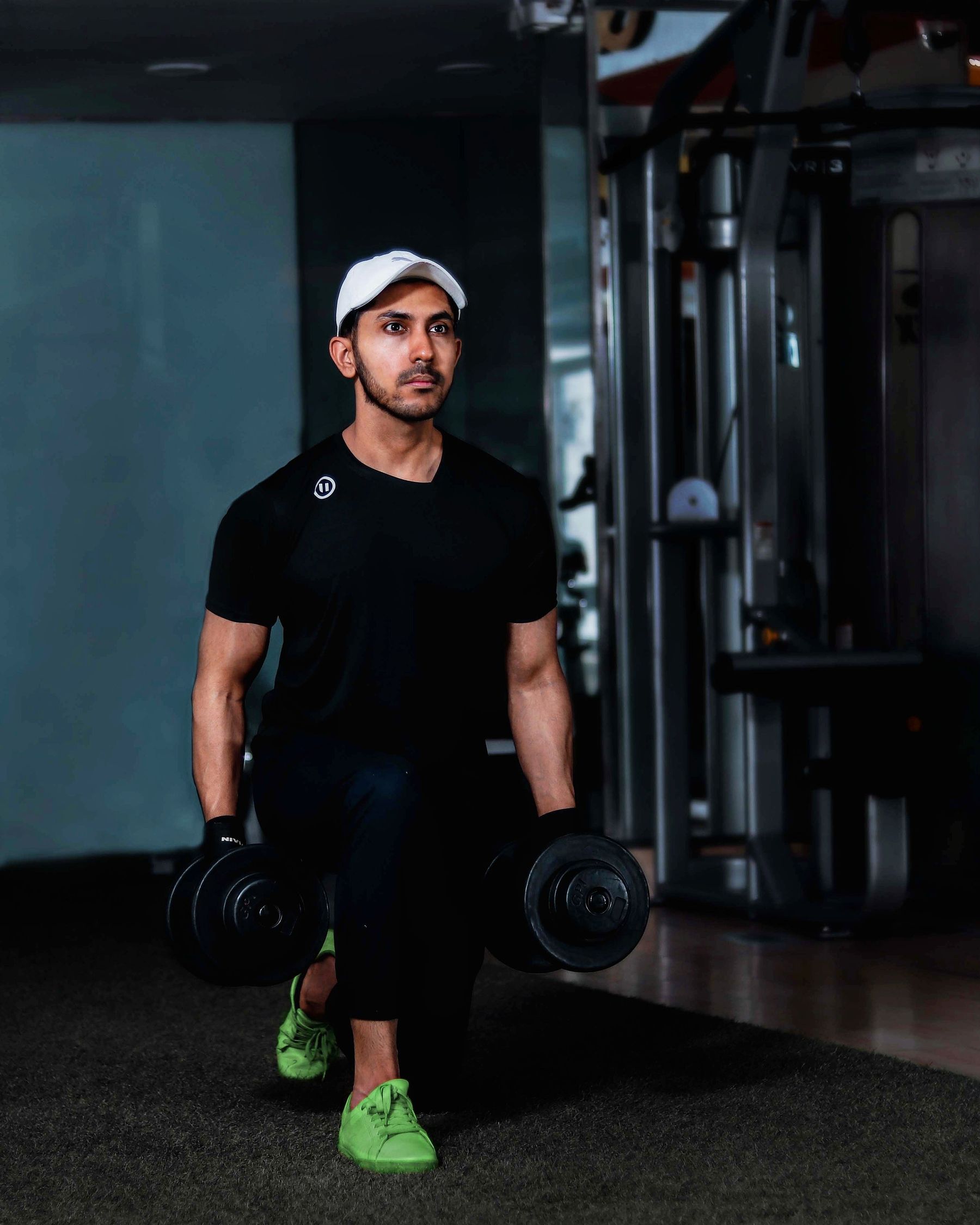 Dumbbells · Strength training
Compare equipment by how it changes the session.
The best choice depends on whether you value progressive resistance, portability, movement variety or a dedicated training setup.
Dumbbells
A practical option for presses, rows, squats, hinges and many accessory movements.
Resistance Bands
Lightweight equipment for accessory strength, mobility and portable training.
Kettlebells
Useful for carries, squats, hinges and other controlled full-body movements.
Pilates Equipment
Designed for controlled movement and more structured Pilates training sessions.
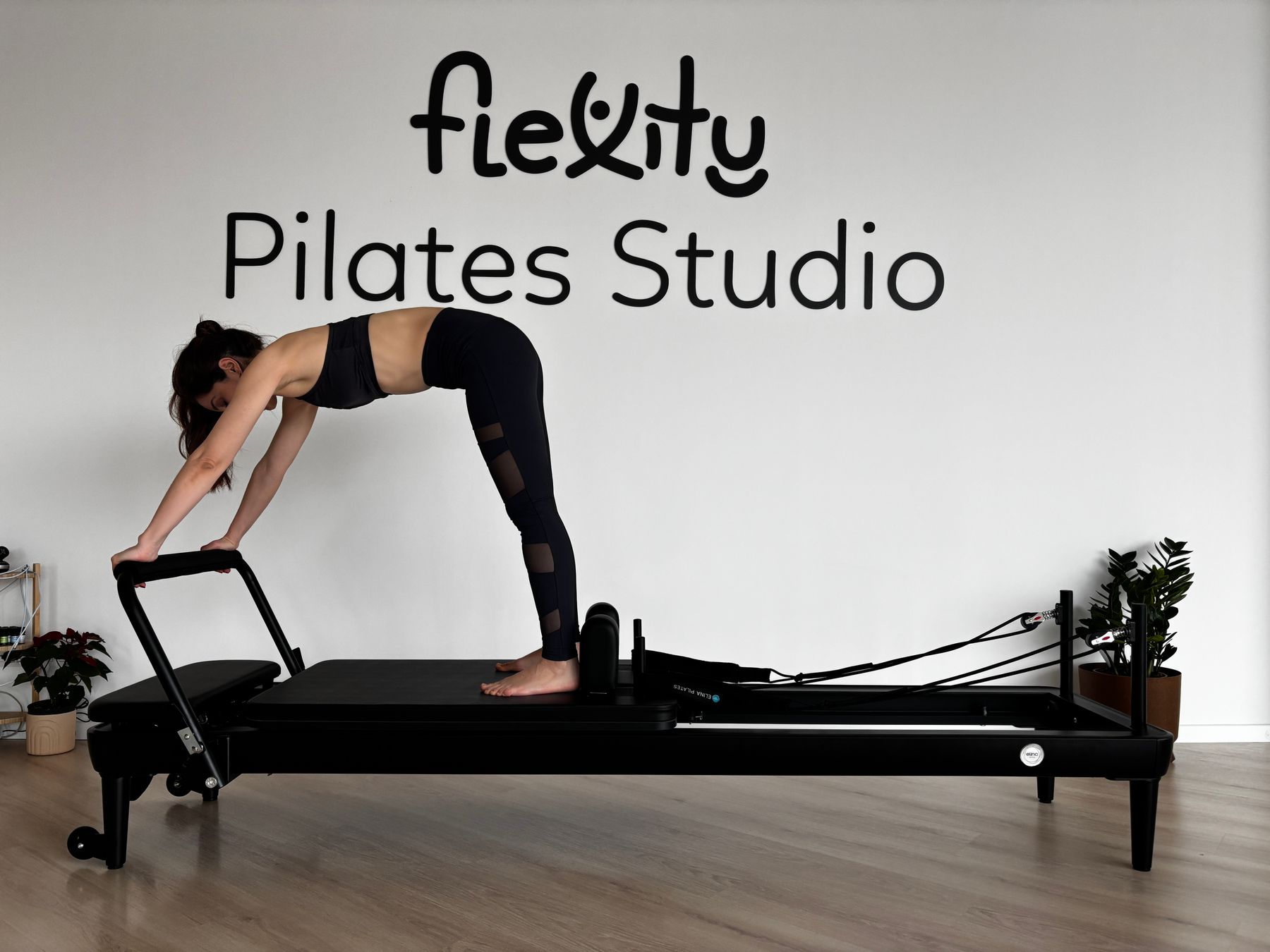 Pilates equipment · Controlled movement
Plan the space before choosing the setup.
Larger Pilates equipment changes the way a room is used. Measure the equipment footprint, allow space around it for movement and consider how often it will stay set up between sessions.
Six practical checks before adding equipment to your setup.
A quick review of space, resistance, movement use and storage can make it easier to choose equipment that fits your routine instead of becoming something you rarely use.
Measure your space
Check floor area, ceiling height and the room needed to move safely around the equipment.
Identify key exercises
Write down the movements you plan to perform most often and choose equipment around them.
Select useful resistance
Choose resistance that matches your current ability while leaving room for gradual progression.
Plan storage
Consider where weights, bands, accessories or larger equipment will stay between sessions.
Prioritize repeat use
Equipment that is easy to access and set up is often easier to include in a consistent routine.
Keep the setup focused
Build around a small number of useful tools before adding equipment that overlaps the same purpose.
Common equipment questions.
Use these general considerations to narrow your options before browsing Corevia equipment and collections.
What equipment should I buy first for home training?
Start with the movement types you expect to train most often. A simple strength-focused setup may begin with dumbbells, kettlebells or resistance bands, while a Pilates-focused setup may begin with a mat, accessories or dedicated Pilates equipment depending on your available space.
Are adjustable weights useful for smaller spaces?
Adjustable resistance can be practical when you want multiple resistance options without storing several separate weights. Consider how quickly the system adjusts and whether the available resistance range fits your training.
How much room should I leave around larger equipment?
Plan for more than the listed equipment footprint. Allow enough surrounding space to approach the equipment, adjust it and perform the movements you plan to use without the room feeling restricted.
Should I choose one versatile tool or several specialized tools?
For compact home setups, versatile equipment can simplify storage and support more movement options. Specialized equipment can make sense when you already know that a specific training style will be a regular part of your routine.
What should I consider when buying resistance bands?
Consider the available resistance levels, band format, handles or attachment options and the exercises you intend to perform. Choose a setup that allows you to use controlled resistance through the movement.
What should I consider before buying Pilates equipment?
Measure the available space, consider whether the equipment will remain set up or be stored between sessions and choose equipment that fits the Pilates movements you expect to practice most often.
Ready to build a more considered training setup?
Browse Corevia equipment for strength, conditioning, Pilates, functional movement and recovery, and choose the pieces that fit the way you want to train.