
Recovery Tips
Recovery Tips
A considered recovery routine can help you return to training feeling ready, mobile and focused. Keep it simple, stay consistent and give your body space between demanding sessions.
Recovery is part of the training plan.
Hard sessions create the demand. Recovery gives you time to reset before the next one. Gentle movement, mobility work and simple recovery equipment can fit naturally around strength, Pilates, cardio and functional training.
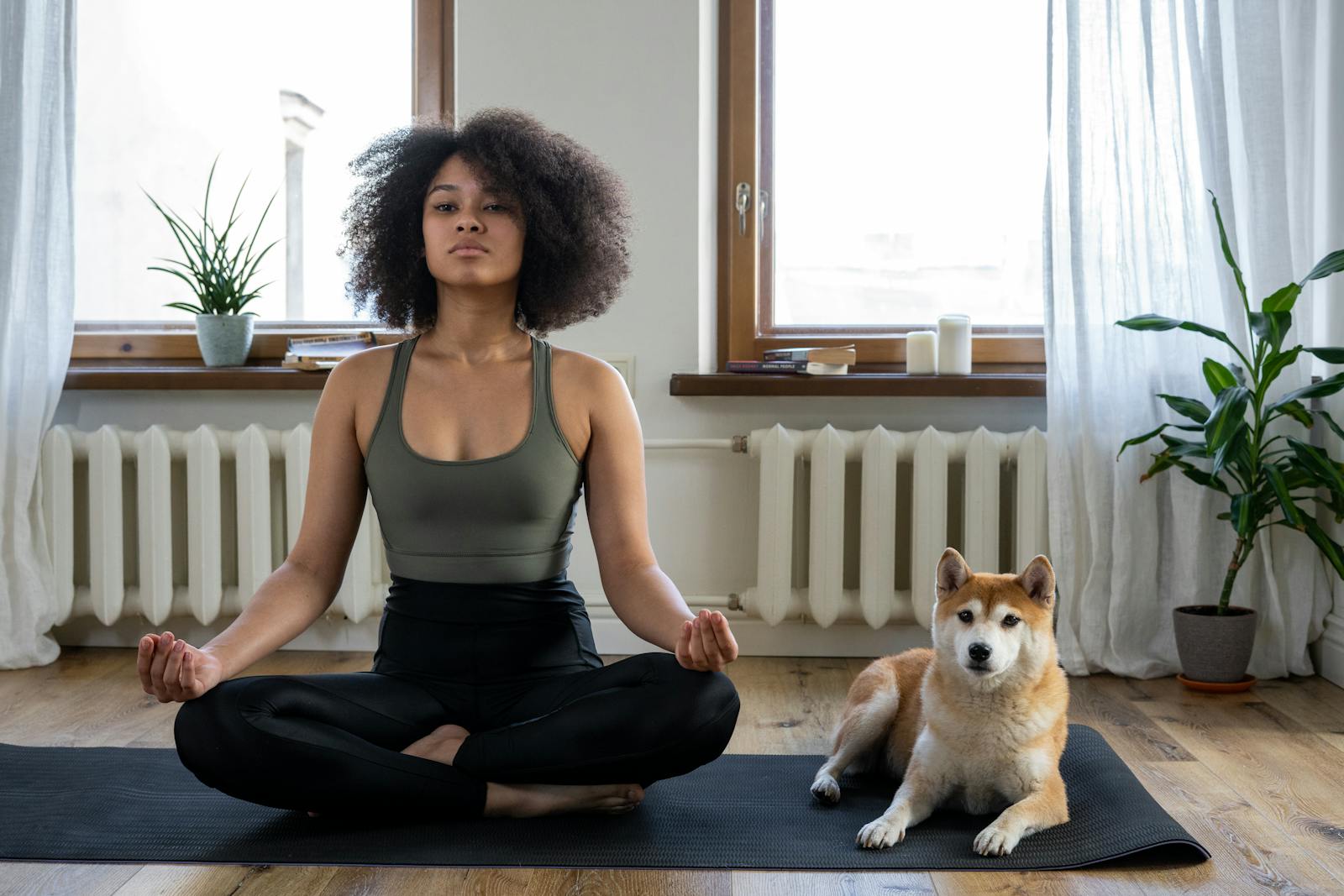
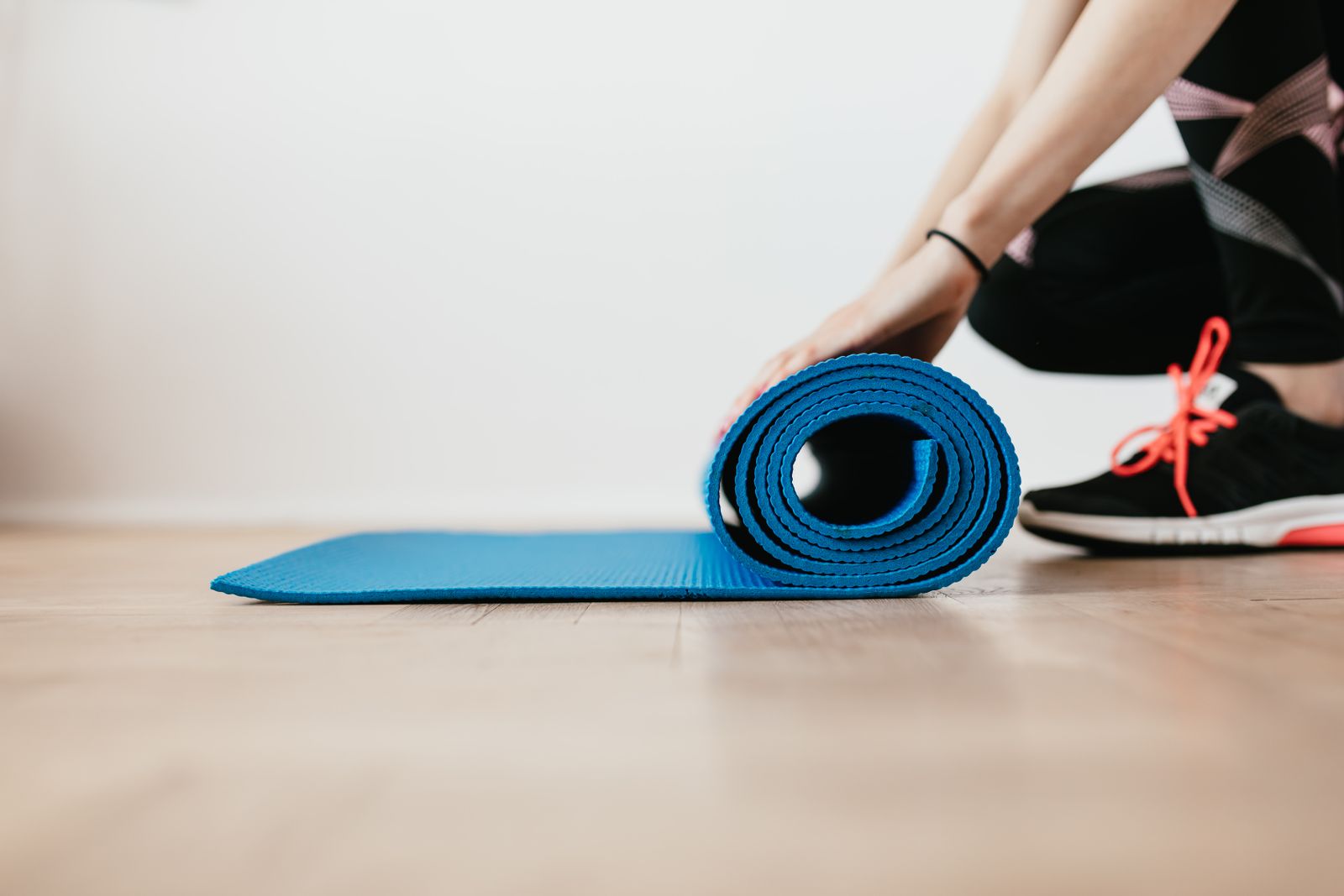

Keep recovery useful, simple and repeatable.
The goal is not to make recovery complicated. Build a routine that complements the way you train and that you can return to consistently.
Move gently
Low-intensity movement can be a practical way to transition out of a demanding workout instead of stopping abruptly.
Restore mobility
Use controlled mobility work for areas that feel restricted after repeated strength, cardio or functional training.
Use simple tools
Foam rollers, stretching accessories and mobility equipment can make short recovery sessions easier to structure.
Respect training load
Give demanding muscle groups appropriate time between hard sessions and adjust your next workout when you need more recovery.
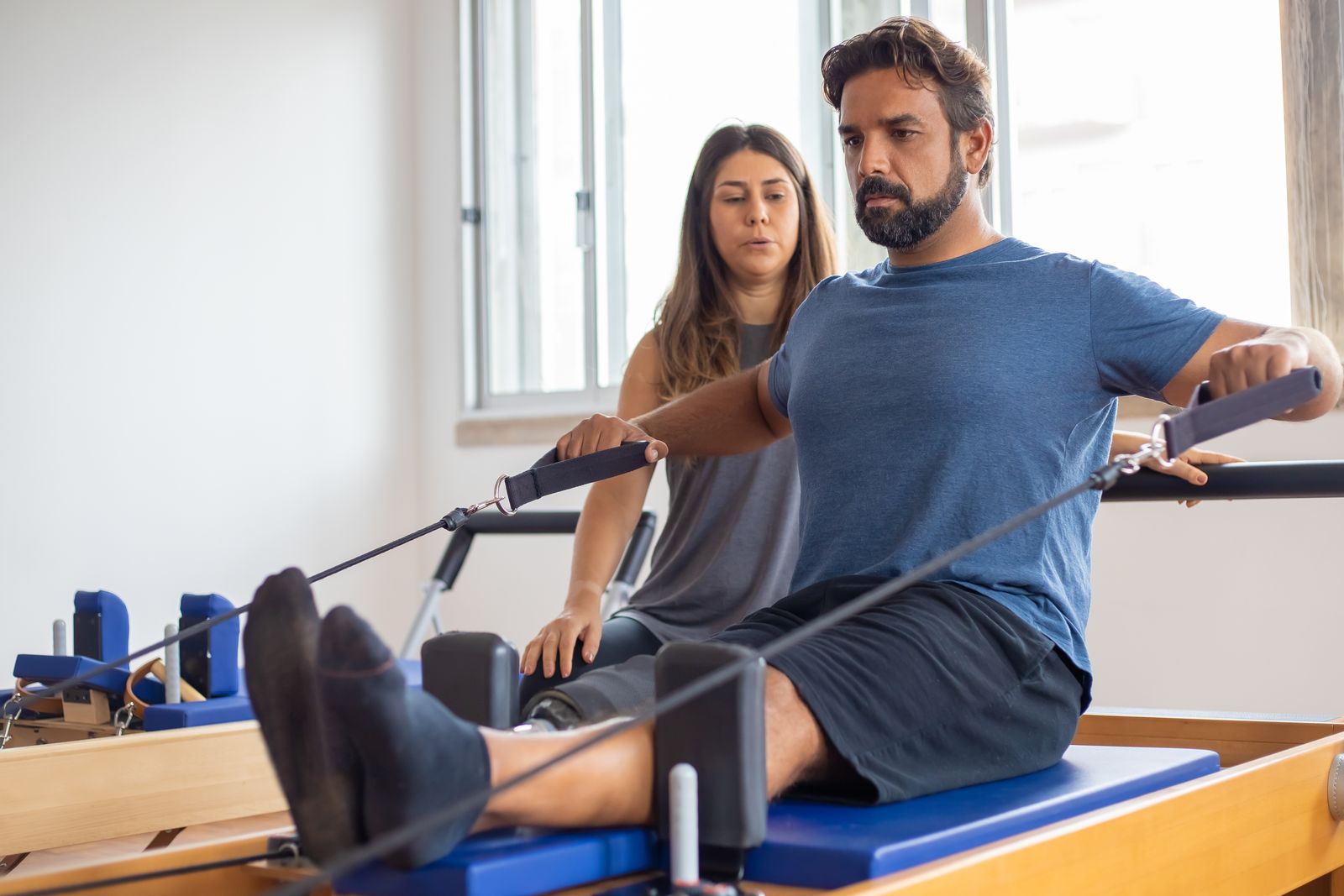
Let the equipment support the routine.
Recovery tools work best when they make your routine easier to repeat. Choose equipment that suits the way you train rather than filling your space with tools you rarely use.
Use a foam roller or similar recovery tool with slow, controlled movement.
Keep stretching equipment nearby so short mobility sessions are easy to include.
Build a compact recovery setup that fits naturally alongside your main training equipment.
Build recovery around your training day.
Reduce the intensity
Transition from harder work into slower movement and give yourself a few minutes before finishing the session.
Keep mobility easy
Short, controlled mobility work can be easier to maintain than turning every recovery session into another workout.
Check how you feel
Adjust your training intensity when a muscle group still feels heavily worked from the previous session.
A few useful answers.
Keep your recovery approach practical and appropriate for your own training routine.
Do I need recovery equipment after every workout?
Not necessarily. Recovery equipment is simply a tool. Use it when it supports your mobility or post-training routine rather than treating it as a required step after every session.
How long should a recovery session be?
There is no single fixed duration that suits every workout. A short, focused session can be useful when it fits your training load and schedule.
Should recovery work feel intense?
Recovery work does not need to become another demanding workout. Keep movements controlled and avoid forcing uncomfortable ranges of motion.
Can mobility work be part of my regular training?
Yes. Mobility can be included before or after training, or used as a separate lower-intensity session depending on your routine.
What recovery equipment can I explore at Corevia?
Corevia carries equipment across sports support, massage and muscle recovery, stretching, mobility and other everyday training categories.
Keep the tools simple. Keep the routine consistent.
Explore Corevia equipment for mobility, stretching, muscle recovery and everyday training support.
Explore Equipment