
Home Gym Ideas
Corevia · Train & Learn
Home Gym
Ideas
Build a home training space around the way you actually move. Start with useful equipment, clear floor space and a setup that makes strength, conditioning, mobility and recovery easier to return to.
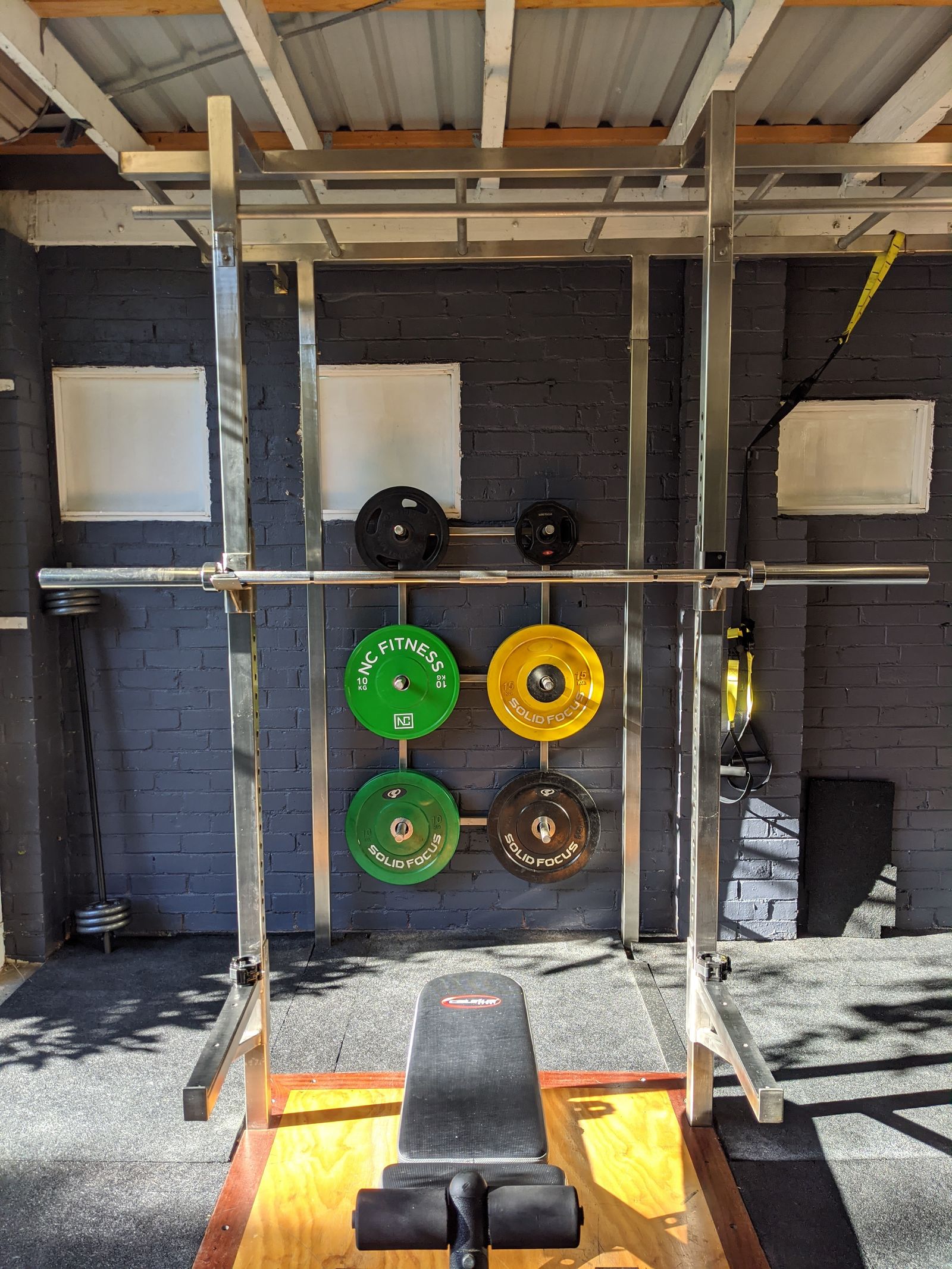
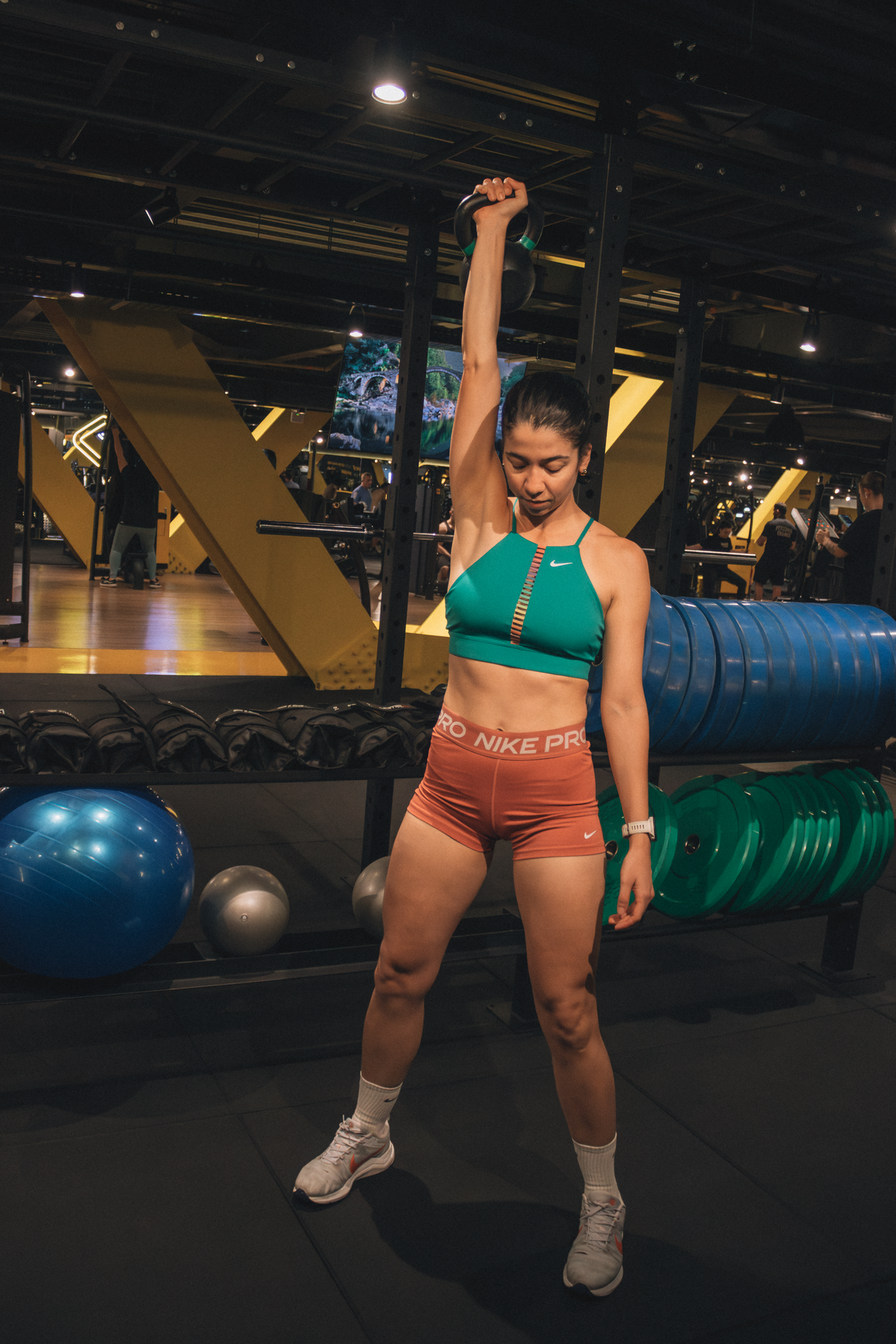
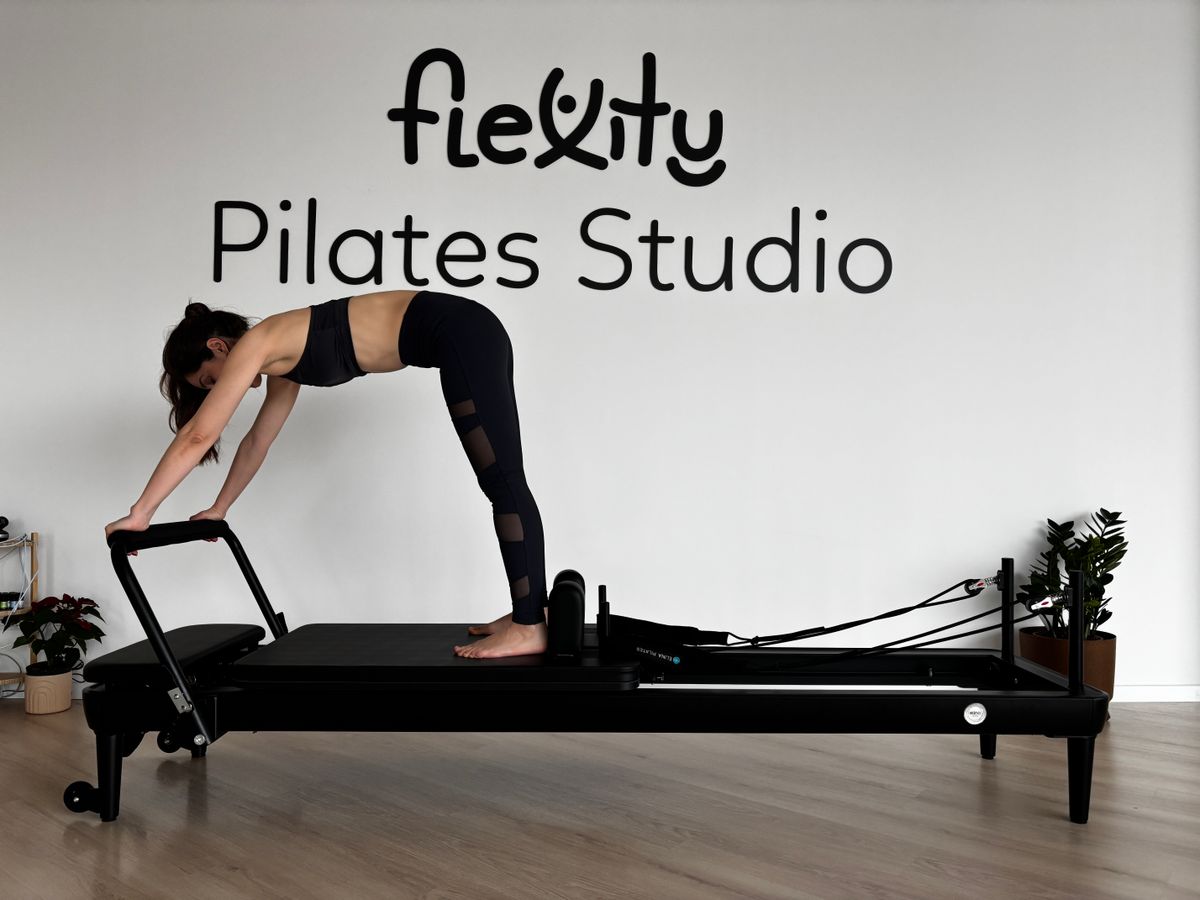
01 · Start here
Build around the training you want to repeat.
The most useful home gym is one that supports consistent movement. Prioritize floor space, versatile equipment and a layout that is easy to reset between sessions.
Protect your movement space
Keep enough open floor area for squats, lunges, presses, mobility work and bodyweight training before adding larger equipment.
Space first
Choose versatile tools
Dumbbells, kettlebells, resistance equipment and functional training accessories can support a wide range of movements without requiring a large footprint.
More use · Less clutter
Create clear zones
Separating strength, mobility and recovery areas can make equipment easier to reach and each training session easier to organize.
Strength · Mobility · Recovery
Keep the setup accessible
Equipment that is stored clearly and ready to use reduces setup time and helps make regular training feel more straightforward.
Ready to train
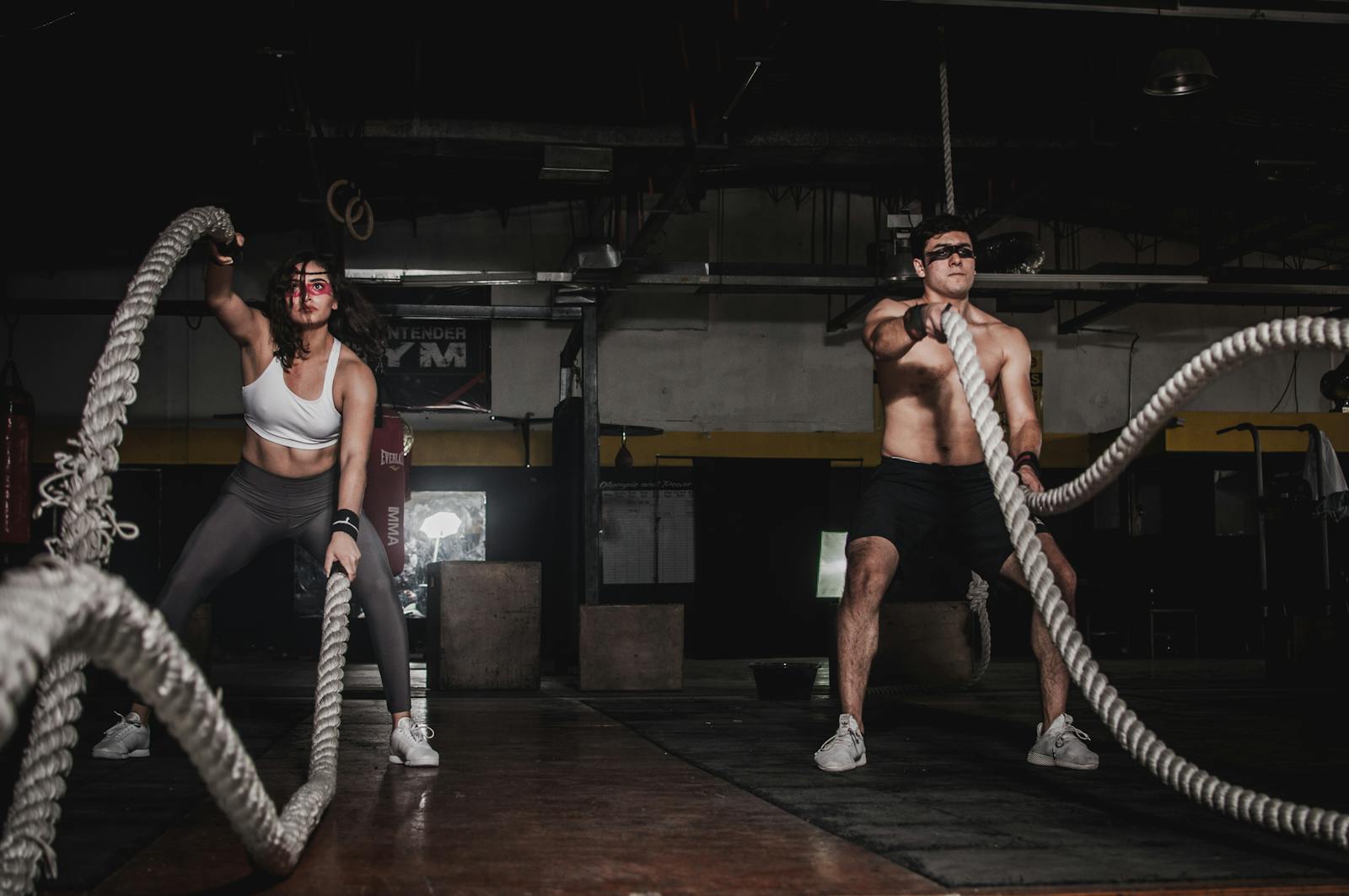
Space planning
Let the room support the movement.
A home gym works better when the layout follows your training rather than forcing your training around the room. Place frequently used equipment where it is easy to access and leave enough room to move through each exercise safely and naturally.
Keep the center of the room as open as possible.
Position heavier equipment where it can remain stable.
Keep mobility and recovery tools easy to reach.
02 · Setup ideas
Three ways to organize a home gym.
Different spaces call for different priorities. Use the room you have and build gradually around the type of training that matters most to you.
Compact setup
Start with essentials.
A smaller room can still support full-body training when equipment is compact, easy to move and useful across multiple movement patterns.
Strength setup
Build around load.
If strength is your main focus, create a stable equipment zone while preserving enough surrounding space for controlled full-body movements.
Movement setup
Make room for control.
A mobility-focused home training area can combine Pilates, core work, balance and recovery equipment without turning the room into a crowded storage space.
03 · Build gradually
Plan the space before adding more equipment.
Step 01
Define the training focus.
Decide whether strength, conditioning, Pilates, functional movement or recovery will take priority in the room.
Step 02
Measure useful floor space.
Think beyond where equipment will sit and allow room for the actual movements you want to perform.
Step 03
Add equipment with purpose.
Choose each new piece based on how often you expect to use it and how well it fits into the rest of your training setup.
Build your setup
Create a training space that fits your routine.
Explore Corevia equipment for strength, conditioning, mobility, Pilates, functional movement and recovery, and choose the tools that make sense for the space you have.