
Exercise Library
Move with
purpose.
Explore practical movement ideas for strength, conditioning, core control, Pilates and mobility. Use the library to build a more considered approach to everyday training with equipment that supports the way you move.
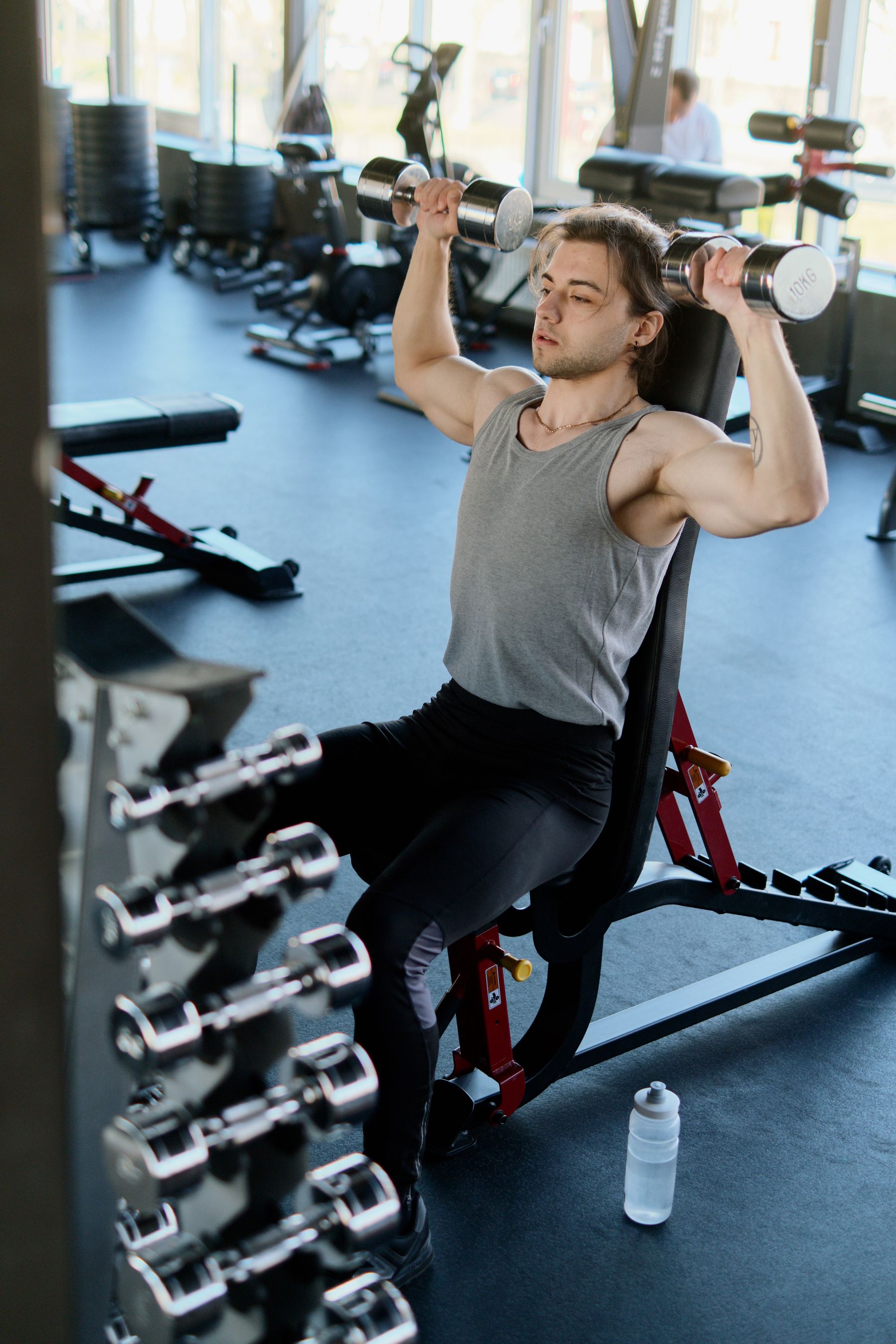 Strength · Focus · Control
Find the movement direction that fits your session.
Start with the quality you want to train, then choose movements and equipment that support that goal. Keep technique controlled and select resistance that allows you to move with consistency.
Strength Training
Build controlled resistance sessions around dumbbells, kettlebells, barbells and resistance equipment.
STRENGTH · 01Conditioning
Develop rhythm, coordination and work capacity with jump rope, agility and functional conditioning movements.
CONDITIONING · 02Core & Functional
Train trunk control, stability and total-body coordination through purposeful functional movement.
CORE · 03Mobility & Pilates
Develop control, range of motion and movement quality with Pilates, stretching and mobility-focused equipment.
MOBILITY · 04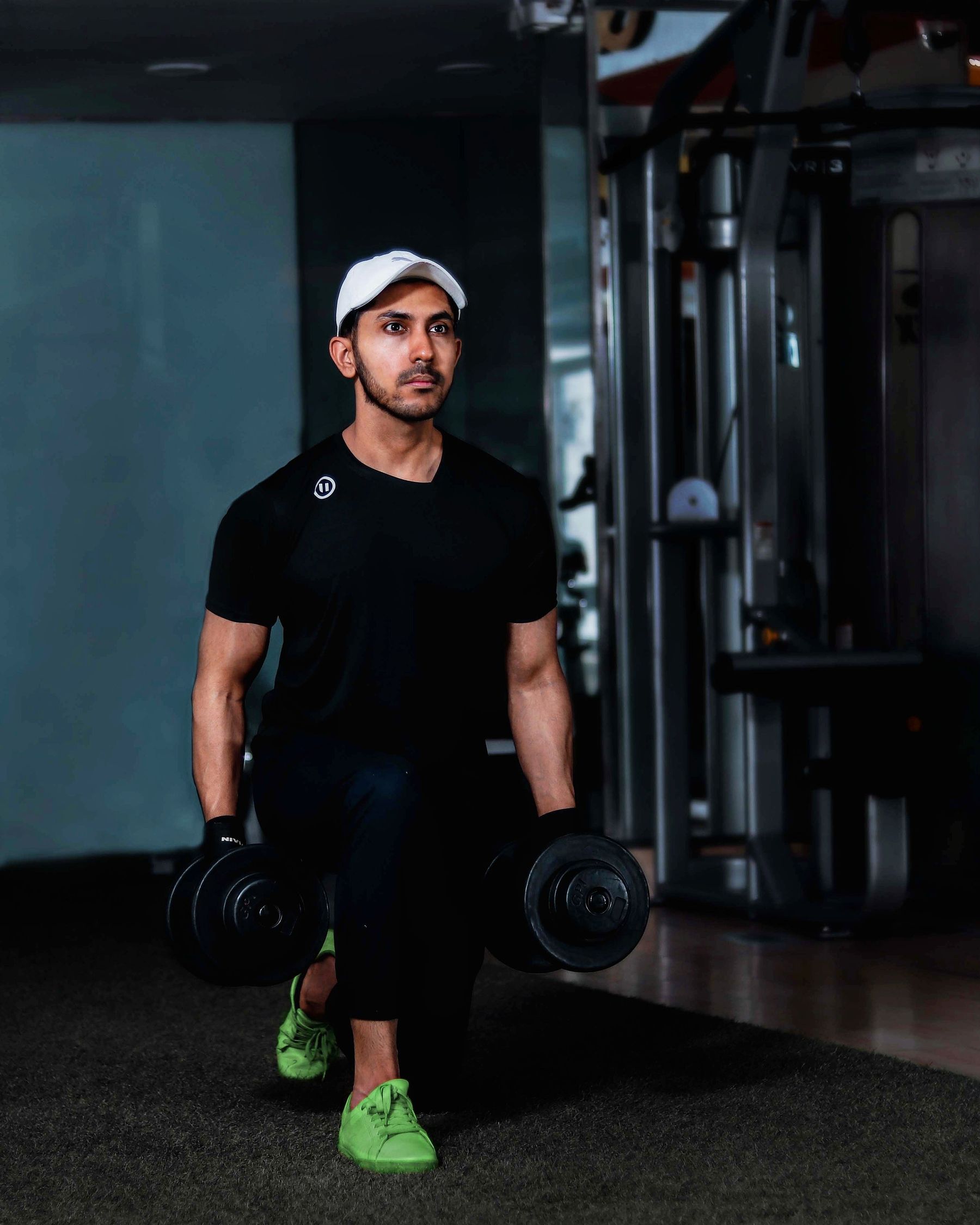 Strength Training
Build strength around clean, repeatable movement.
Resistance training works best when the movement remains controlled. Choose an appropriate load, establish a stable position and focus on consistent repetitions rather than rushing through the exercise.
Foundational resistance movements.
These movement patterns can form the base of a simple strength session. Adjust resistance, range and volume to suit your current training level.
Goblet Squat
Hold a dumbbell or kettlebell close to the torso, maintain a stable stance and lower with control before returning to standing.
Dumbbell Row
Support a stable torso position and draw the dumbbell toward the body without turning the movement into a fast swinging action.
Standing Press
Press resistance overhead from a balanced stance while maintaining controlled trunk position and a smooth return.
Romanian Deadlift
Hinge through the hips while keeping the resistance close to the body, then return to standing through a controlled hip extension.
Control comes before complexity.
Core and functional sessions do not need to be complicated. Focus on stable positions, controlled transitions and movements that connect the upper and lower body with purpose.
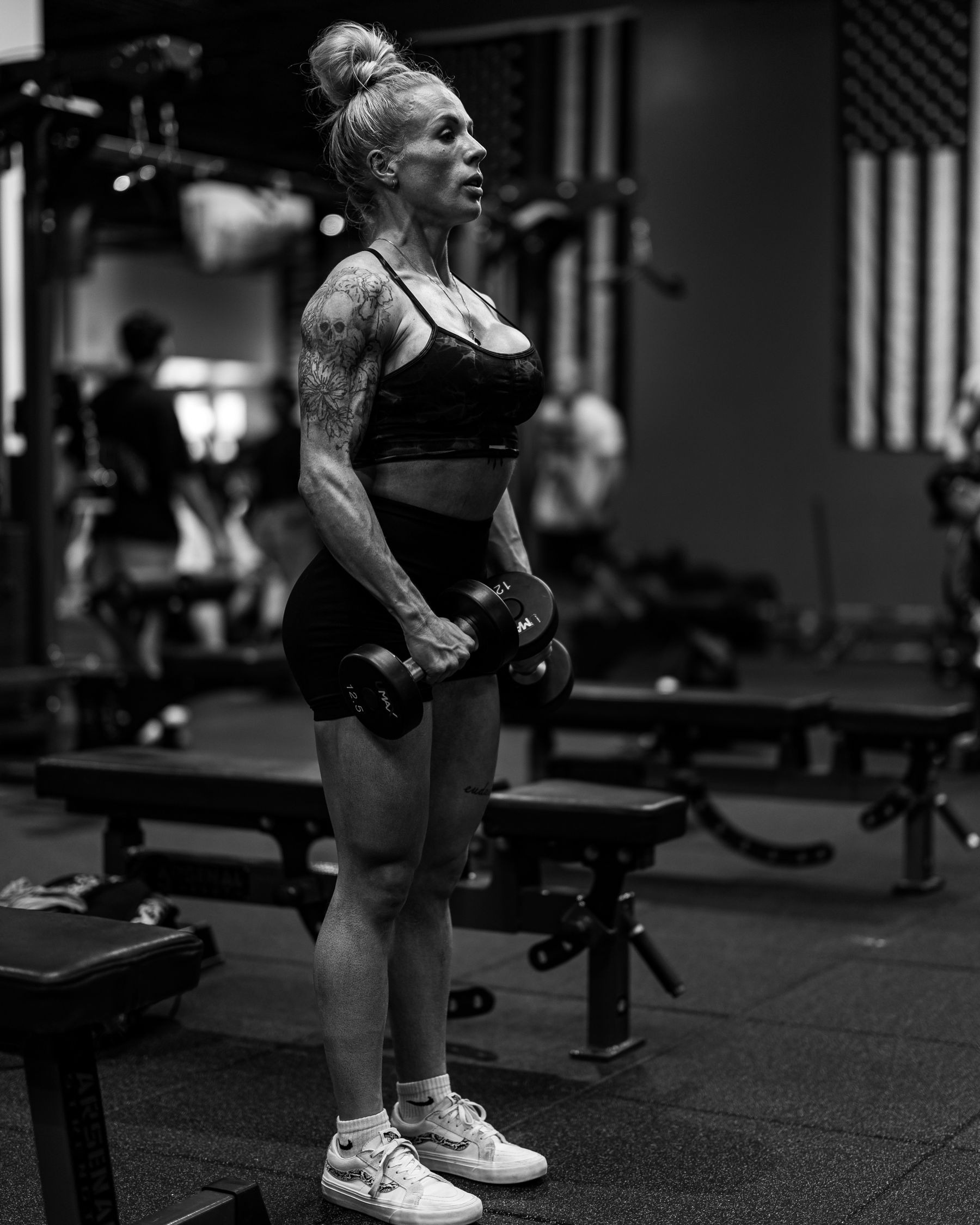 Functional Strength
Stability before intensity.
Core work can support better control across many training movements. Keep the position deliberate and choose variations that allow you to maintain steady technique.
Dead Bug
Maintain a stable trunk while slowly extending opposite limbs. Reduce the range if the starting position becomes difficult to hold.
Forearm Plank
Create a long, stable body position from the shoulders through the legs and hold only while that position can be maintained.
Suitcase Carry
Carry a single weight at one side while maintaining an upright, balanced walking position without leaning toward the resistance.
Suspension Row
Maintain a firm body position while pulling toward the handles. Adjust your body angle to change the challenge.
Conditioning, mobility and controlled movement.
Training does not have to stay in one lane. Add conditioning for rhythm and work capacity, then use mobility or Pilates-focused movement to support control and movement variety.
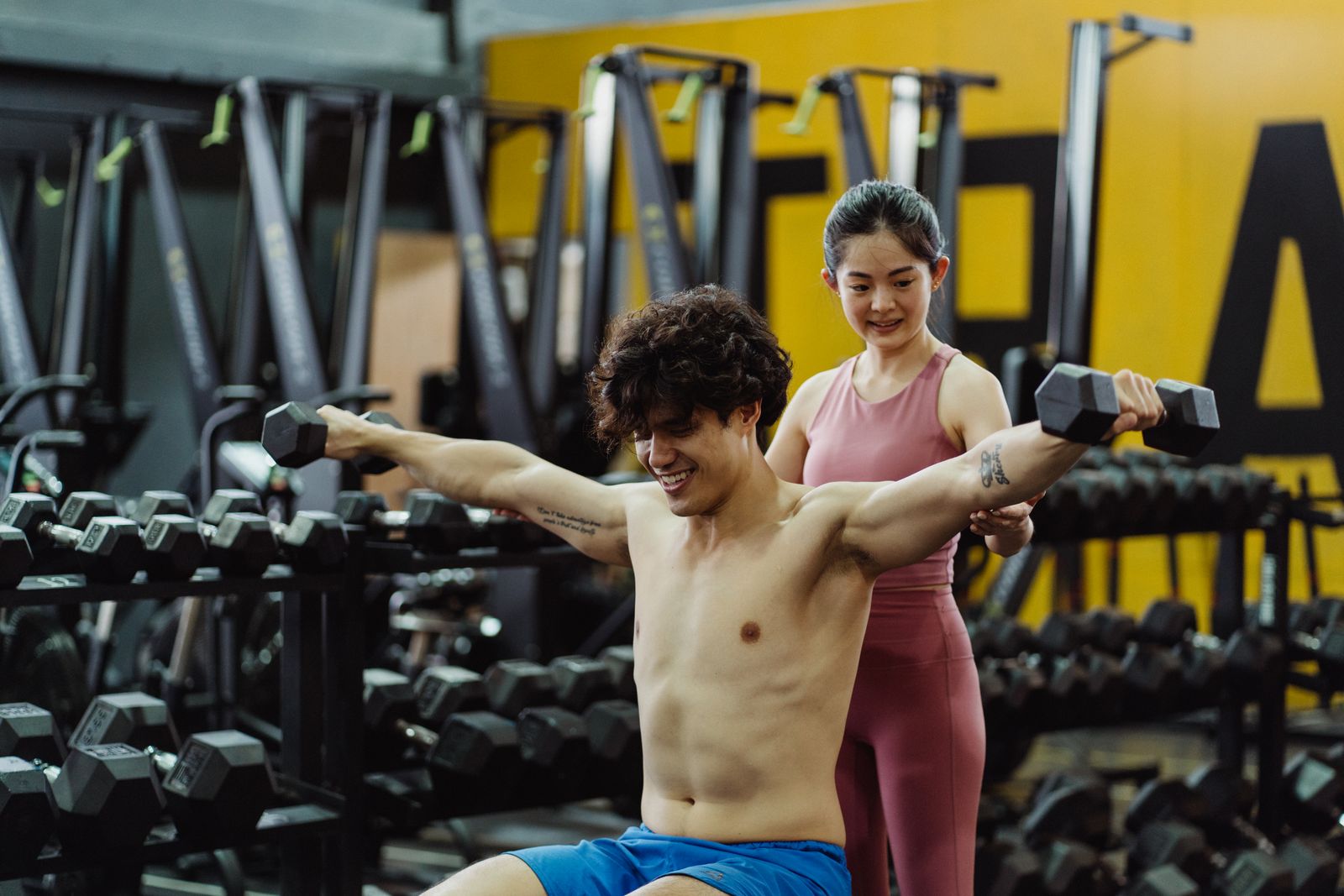
Conditioning & Functional Work
Use compact movement blocks to combine rhythm, coordination and controlled effort. Jump rope, agility work and functional resistance movements can be adapted to different session lengths.
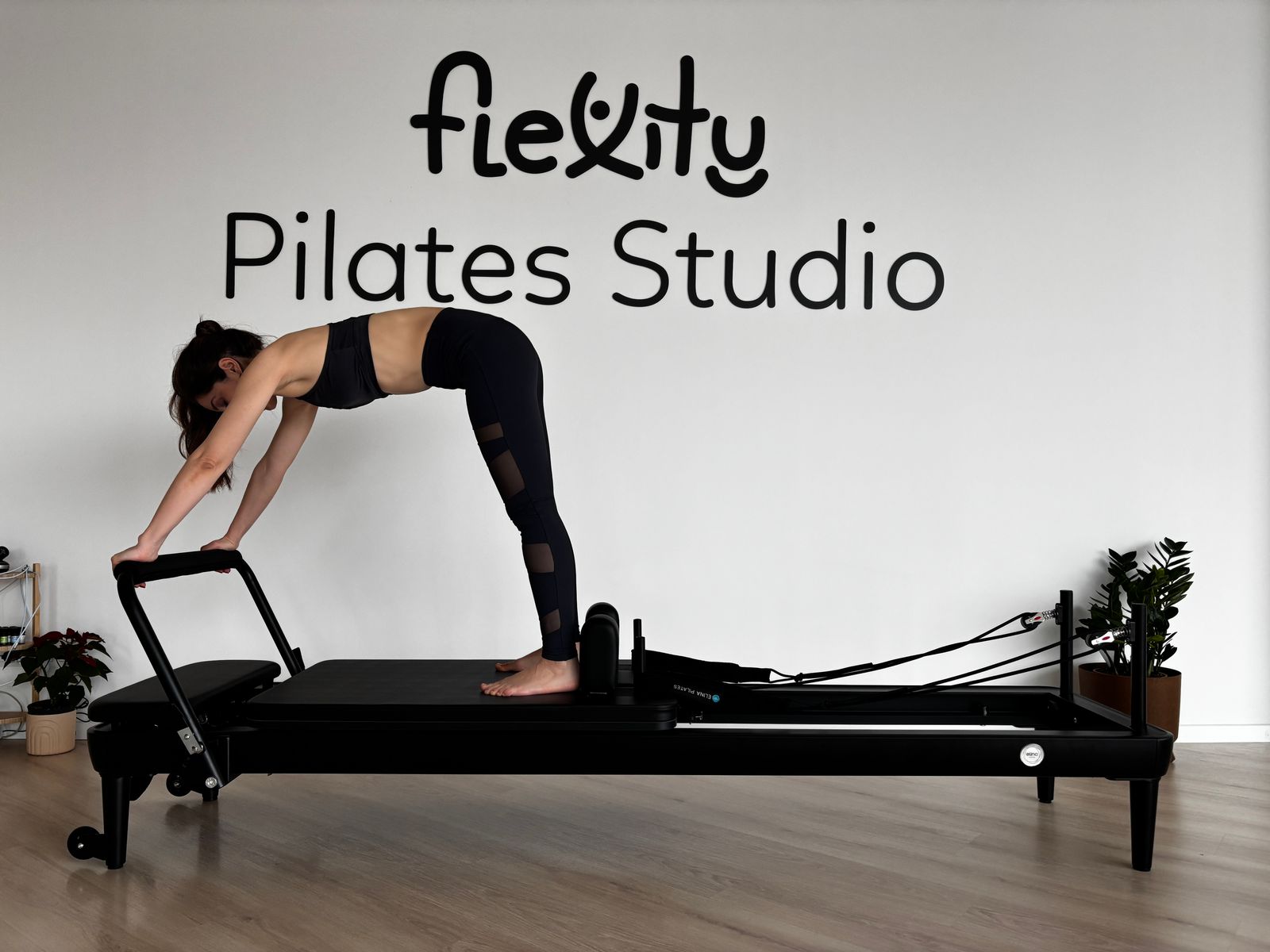
Pilates & Mobility
Slow the session down and focus on alignment, controlled range and deliberate transitions. Pilates and mobility work can add a different movement quality to a balanced training week.
Add variety without losing structure.
Combine different movement qualities across your week while keeping each exercise simple enough to perform with focus and control.
Jump Rope Intervals
Use short, controlled bouts of skipping with enough recovery to keep footwork and rhythm consistent throughout the session.
Lateral Agility Steps
Move laterally through an agility ladder or marked area while maintaining light, deliberate foot placement and balanced posture.
Reformer Footwork
Use a stable setup and smooth carriage movement while maintaining deliberate lower-body alignment through each repetition.
Band Mobility Flow
Use light resistance and controlled movement to explore comfortable ranges around the shoulders and upper body.
A simple way to structure your training.
You do not need dozens of movements in one session. Choose a small number that support the training quality you want and perform them with consistency.
Prepare
Begin with easy movement and gradually prepare for the exercises ahead.
Main movement
Choose one primary strength or functional movement as the session anchor.
Support work
Add one or two movements for core, accessory strength or conditioning.
Finish with control
Reduce intensity and finish with mobility or other lower-intensity movement.
Keep your training considered.
The most useful exercise is one you can perform with appropriate resistance, stable technique and a level of difficulty that fits your current ability.
Choose control over speed
Move at a pace that allows you to stay aware of position and maintain consistent technique from one repetition to the next.
Progress gradually
Increase resistance, volume or exercise complexity only when the current version feels manageable and repeatable.
Use equipment with purpose
Select equipment because it supports the movement you want to train, not because every session needs more complexity.
Choose equipment around the way you want to train.
Explore Corevia equipment for strength, conditioning, Pilates, functional movement and recovery, and build a training space that supports consistent everyday movement.